
World Cup 2026 Betting
USA at the 2026 World Cup — Group D Preview, Odds & Host Analysis
 Available in US
Loading...
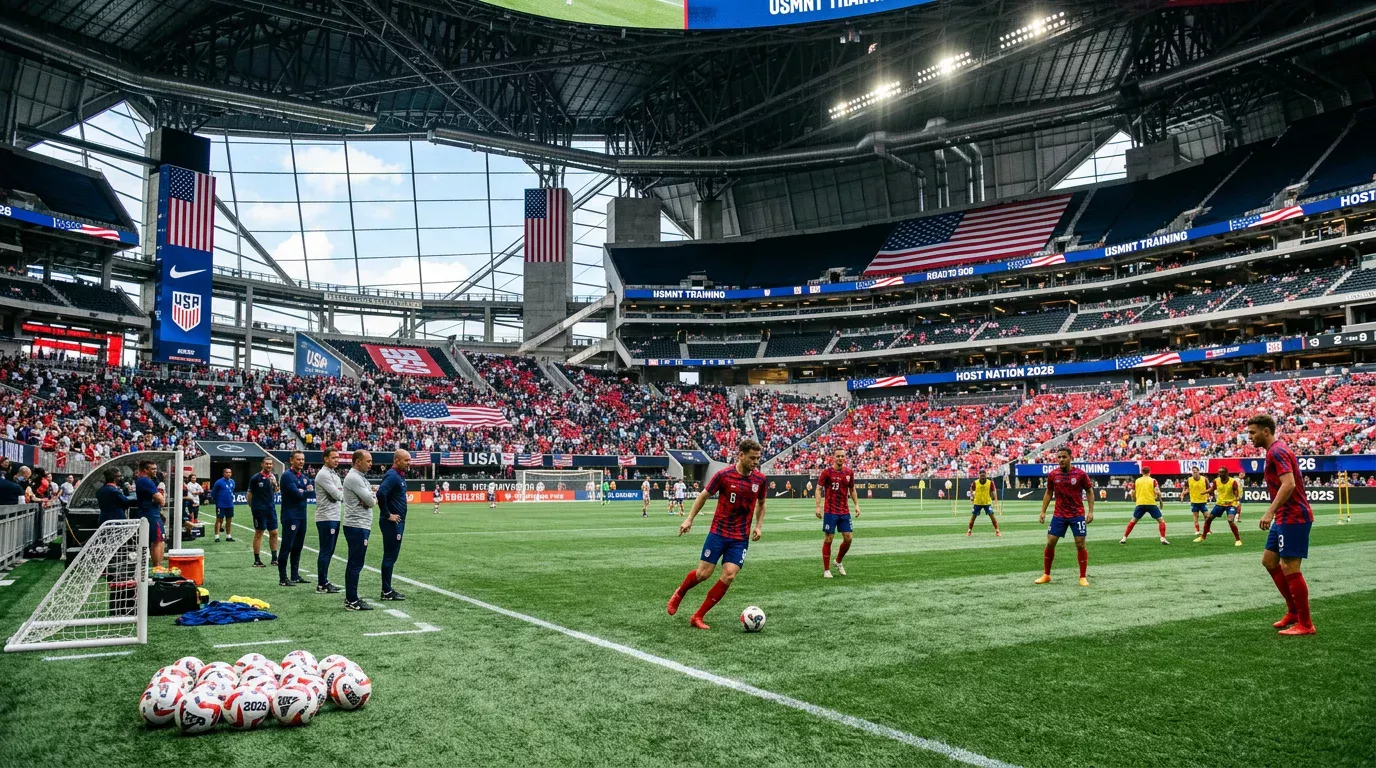
The moment has arrived. I remember the bitter disappointment of October 2017, when Trinidad and Tobago’s victory eliminated the United States from 2018 World Cup qualification — a result so shocking that it forced systemic reassessment across American soccer. The rebuild that followed produced a generation of European-based talents whose development trajectories suggested this World Cup cycle would be different. Now the USMNT enters their home tournament with expectations that previous American generations never faced: not merely participation, but genuine competition for knockout advancement against global powers.
Group D pairs the United States with Paraguay, Australia, and Turkey — a draw that provides competitive challenge without the nightmare scenario of elite European or South American opponents in the group stage. Each opponent brings specific qualities that will test American preparation, but the overall composition suggests advancement should arrive if the squad performs to capability. For Canadian bettors analyzing all qualified teams, the USMNT represents the intriguing combination of home advantage, generational talent, and tournament inexperience that creates complex betting dynamics.
Co-Host Automatic Qualification
Automatic qualification as tournament co-host removed the pressure that previous cycles had produced so memorably. The 2018 failure and subsequent questions about American soccer’s development pathway gave way to systematic preparation for a home World Cup whose qualification was guaranteed. This security allowed tactical experimentation and squad rotation that competitive qualification would have prevented.
The absence of qualification pressure created different challenges. Friendly matches against quality opponents provided preparation opportunities, but the stakes never matched the intensity that knockout qualification produces. Whether the squad has developed the competitive edge that tournament football demands remains uncertain until actual World Cup matches reveal character under pressure that practice cannot replicate.
Player development continued throughout the cycle with European club moves establishing the squad’s core. Christian Pulisic’s Chelsea and AC Milan experience, Weston McKennie’s Juventus tenure, Tyler Adams’ various European stops, and younger talents’ emergence across top leagues created a squad whose collective European experience exceeds any previous American generation. This development occurred outside qualification pressure, allowing focus on individual improvement rather than collective results.
The preparation period allowed tactical identity establishment that rushed qualification cannot accommodate. Head coach Gregg Berhalter’s system has refined through years of integration, with players understanding positional requirements and coordination patterns that tournament football will test. Whether this preparation translates to results depends on execution under pressure that no preparation fully replicates.
Group D — Paraguay, Australia and Turkey
Paraguay represents South American tactical discipline that CONCACAF opponents rarely provide. La Albirroja qualified through CONMEBOL’s demanding process, demonstrating the competitive quality required against Argentina, Brazil, and continental rivals. Their defensive organization and counter-attacking threat create challenges that American possession ambitions must overcome through patience and creativity rather than physical imposition.
The USA-Paraguay fixture will test American composure against opponents comfortable defending deep and striking on transitions. Paraguay’s experience against technically superior CONMEBOL opponents has developed the tactical maturity that creates upset potential against home teams expecting comfortable victories. This match requires the concentration and finishing efficiency that group stage openers do not always produce from nervous hosts.
Australia brings AFC qualification pedigree and Premier League-based experience through Socceroos players whose European careers have elevated collective quality. Their physical approach and set piece threat create specific challenges that tactical preparation must address. The Australian mentality — never defeated until the final whistle — produces comebacks that opponents who relax prematurely enable. The USA must maintain intensity throughout regardless of scoreline.
Turkey qualified through UEFA playoffs, demonstrating the quality required to survive European competition’s depth. Turkish football’s technical tradition combines with physical presence that European leagues have developed across the squad. This match could determine group positioning depending on results elsewhere, potentially becoming the effective group decider if both teams have already secured advancement.
My projection: USA tops the group with 7-9 points depending on the Turkey result, Paraguay finishes second with 4-6 points, Turkey claims third after competitive performances, and Australia exits with 1-3 points. This outcome positions USA for a Round of 32 match against a third-place finisher from Group B or Group C — potentially Qatar, Bosnia, Haiti, or Scotland.
Key Squad Members
Christian Pulisic carries the attacking responsibility that American soccer has placed upon him since teenage emergence. His Champions League success with Chelsea and continued development at AC Milan produced a complete attacking player whose dribbling, passing, and finishing create genuine threats against any defense. Pulisic operates from the left wing, cutting inside onto his stronger right foot to shoot or combine with central players. His fitness and form will largely determine American attacking ceiling. The maturity he has developed through European pressure situations suggests World Cup intensity will not overwhelm him, though national team responsibility adds psychological dimensions that club football does not replicate.
Weston McKennie provides the midfield engine that connects defense to attack. His Juventus experience in Serie A’s tactical environment developed the positional intelligence and passing range that international midfielders require. McKennie’s box-to-box contribution — defensive work rate combined with attacking arrivals into dangerous positions — creates the dynamic presence that American midfields historically lacked. His physical presence adds aerial threat from set pieces that opponents must account for when defending dead-ball situations.
Tyler Adams anchors the defensive midfield with the organizational skills his various European stops developed. His reading of the game anticipates danger before it develops, while his distribution initiates attacks from defensive positions. Adams’ leadership extends beyond tactical contribution into vocal direction that young squads require during pressure moments. His communication coordinates pressing movements and defensive positioning, providing the on-pitch management that coaches cannot provide during match flow.
Gio Reyna represents the creative talent whose injury history has prevented consistent contribution. When fit, his technical quality and vision create chances that less gifted players cannot manufacture. Reyna’s Borussia Dortmund experience in Bundesliga’s demanding environment provided development that American domestic leagues cannot replicate. His availability and form could significantly impact American tournament ceiling. The uncertainty surrounding his fitness creates both risk and opportunity in American projections — a healthy Reyna elevates the attacking threat substantially.
The striker position has evolved through Folarin Balogun’s emergence. His Monaco performances demonstrated the finishing ability and movement that American forwards historically struggled to provide. Balogun’s decision to represent the United States rather than England added a genuine number nine option whose quality matches the creative players surrounding him. His hold-up play allows American attackers to operate in spaces his movement creates, and his penalty box finishing provides reliability that previous American strikers lacked.
Defensive organization relies on center-back partnerships still being established. Various options have rotated through qualification period without clear hierarchy emerging. The fullback positions feature attacking specialists whose defensive discipline varies based on opponent quality. Antonee Robinson’s left-back contributions provide attacking width, while right-back options continue competing for selection. Matt Turner’s goalkeeping provides the shot-stopping and distribution that modern systems require, though his backup options create depth that injury scenarios might require.
The squad depth beyond starting players has developed through European pathways that previous American generations lacked access to. Backup options at every position have experienced quality European competition, reducing the drop-off when rotation or injury requires changes. This depth allows tactical flexibility — different profiles for different opponents — that rigid selection cannot provide.
Tactical Identity
Berhalter’s system emphasizes possession with purpose — controlled build-up that seeks to create numerical advantages in attacking areas rather than direct approaches that bypass midfield. The 4-3-3 formation creates structural foundation, with variations toward 4-2-3-1 depending on opponent profiles and match states. Player comfort with these systems has developed through years of integration that qualification pressure would have disrupted.
Pressing coordination defines American defensive approach. The front line engages immediately upon possession loss, with midfield support maintaining pressure through coordinated movements. This aggression creates turnover opportunities that quick attackers exploit before defensive reorganization completes. The risk involves exposure when pressing fails, requiring defensive transition speed that European-based players have developed through club demands.
Width plays crucial tactical roles in American attack. Pulisic and right-wing options occupy touchlines when possession settles, stretching opposing defenses horizontally. The fullback contributions to attacking width provide additional options, creating overloads that American technical quality can exploit. When width creates one-on-one situations, American pace advantages over most opponents produce crossing and cutting opportunities.
Set pieces have received specific attention given American aerial quality limitations. Delivery accuracy and movement patterns compensate for height disadvantages that physical opponents might exploit. Defensive set piece organization addresses vulnerabilities that previous American teams displayed against taller opponents whose aerial presence threatened from every dead-ball situation.
The transition game provides American football’s most dangerous attacking moments. When possession changes in midfield areas, the speed of American forward players creates counter-attacking threats that organized defenses struggle to contain. Pulisic’s directness, combined with Balogun’s movement and supporting runners, produces chances that patient possession build-up cannot always manufacture. Against opponents who commit numbers forward, American counters prove devastating.
Defensive organization behind the press has improved through European development. Center-back distribution allows build-up from deep positions without goalkeeper involvement that opponents can press effectively. The defensive line operates higher than previous American teams, enabling pressing intensity while requiring sweeper-keeper coverage that Turner’s positioning provides. The coordination between defensive phases — pressing, mid-block, low-block — reflects tactical sophistication that years of integration have produced.
Match management skills remain underdeveloped compared to tournament-hardened opponents. Protecting leads, managing game tempo, and closing out matches require experience that American players lack at international level. These situations will test American maturity more severely than tactical preparation can address — only tournament matches reveal how young players handle pressure that training cannot replicate.
Home Advantage — 11 Venues Across the USA
The United States hosts matches across 11 venues, creating the dominant home presence that co-hosting provides alongside Canada and Mexico. American matches will take place in stadiums where crowd support creates atmosphere that opponents must overcome. This structural advantage — familiar conditions, supportive crowds, no travel fatigue — provides edges that previous American World Cup campaigns lacked entirely.
SoFi Stadium in Los Angeles likely hosts key American matches, its NFL-standard facilities providing the modern environment that World Cup football requires. The 70,000+ capacity ensures crowd presence that creates genuine home atmosphere. Other potential American venues include MetLife Stadium (the final venue), AT&T Stadium in Dallas, and various major cities whose facilities meet FIFA requirements.
Climate familiarity advantages American preparation. Summer conditions across American venues match what the squad experiences in domestic training, while European opponents must adapt to heat and humidity that differs from continental norms. This adaptation requirement affects opponents more than hosts, creating margins that close matches might amplify into decisive advantages.
Travel logistics favor Americans throughout the tournament. While opponents manage intercontinental flights and time zone adjustments, American players operate within familiar scheduling and recovery patterns. The cumulative effect across multiple matches — reduced travel fatigue, familiar food and accommodation, family accessibility — provides advantages that tournament progression compounds.
The psychological dimension of home tournament pressure cuts both ways. Expectation creates motivation that can elevate performance, but pressure can also inhibit players whose previous tournament experience is limited. Whether American players rise to the occasion or struggle under home scrutiny remains uncertain until actual matches reveal character that preparation cannot fully develop.
Crowd composition will include significant neutral and opposing supporters given America’s diverse population. Immigrant communities from competing nations will fill portions of every stadium, reducing the pure home advantage that single-nation hosts enjoy. This diversity creates unique atmosphere — less uniformly supportive than traditional home crowds, but still predominantly favorable for American players.
Odds and Market Perspective
American outright odds between 20.00 and 30.00 position them outside the elite tier but among realistic dark horse contenders. The pricing reflects home advantage and generational talent while accounting for tournament inexperience and questions about quality depth. Value exists if you believe home advantage translates more significantly than the market anticipates.
Group D winner odds around 1.80-2.10 reflect competitive group composition. Paraguay’s CONMEBOL pedigree and Turkey’s UEFA qualification create genuine uncertainty that easier draws would eliminate. These prices may offer value if American home advantage translates clearly to group stage dominance that the market questions.
Player markets offer interesting opportunities. Pulisic’s Golden Boot odds at long prices provide value if USA reaches quarterfinals where his goal involvement would accumulate. Balogun’s emergence creates similar opportunities at longer odds. American team total goals should exceed 6 given home advantage and group opponent quality, with over lines offering reasonable probability.
Tournament specials around USA reaching the quarterfinals trade around 2.50-3.00, reflecting baseline expectations for co-hosts with competitive squads. Semifinal advancement markets offer longer prices around 5.00-7.00 that represent upside scenarios rather than baseline projections. These prices appear fairly valued given the uncertainty surrounding American tournament performance at this level.
Match-specific betting opportunities will emerge as the tournament approaches. The USA-Paraguay opener will attract significant market attention as the host nation’s first match, with both teams entering under different pressures. Value may exist in totals markets if the market overestimates defensive organization in opening fixtures where nerves affect both teams.
Realistic Ceiling for the USA
Quarterfinal advancement represents the realistic ceiling in my projections. Home advantage and squad quality support knockout round wins against inferior opponents, while elite European and South American teams likely prove too strong for extended tournament runs. The bracket positioning that group stage results produce will significantly impact advancement probability.
My projection: USA advances from Group D as winners and defeats their Round of 32 opponent with home crowd advantage. Quarterfinal advancement sits around 35-40% probability, with semifinal appearance near 15% and championship victory around 2-3%. These numbers may undervalue home advantage if the psychological boost proves more significant than historical precedent suggests.
The floor scenario involves Round of 32 exit against a quality third-place finisher, disappointing home crowd expectations. Paraguay could also produce group stage complications if American concentration wavers. These downside scenarios would represent significant disappointment given tournament context but remain possible in competitive football where single matches determine fates.
