
World Cup 2026 Betting
Colombia at the 2026 World Cup — Group K Profile & Odds
 Available in US
Loading...
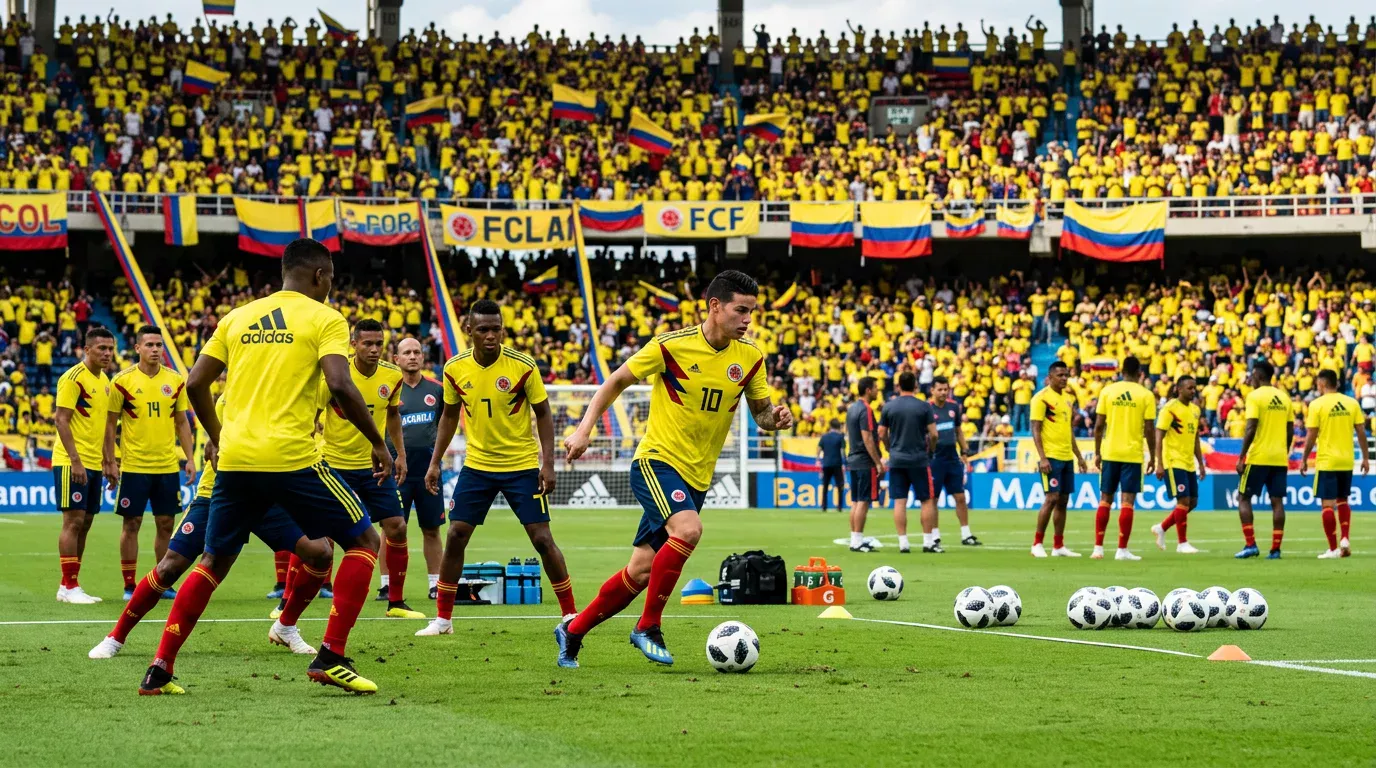
The golden generation returns to the World Cup stage. I remember Colombia’s 2014 campaign — James Rodríguez’s stunning volleys, the dancing celebrations, the quarterfinal that ended against Brazil amid controversy and heartbreak. A decade later, Los Cafeteros arrive in North America with renewed purpose after missing the 2022 tournament, their CONMEBOL qualification demonstrating the quality that South American football demands. The attacking flair that defines Colombian football culture combines with defensive improvements that previous generations sometimes lacked, creating a squad capable of competing beyond group stage expectations.
Group K pairs Colombia with Portugal, Uzbekistan, and DR Congo — a draw that combines European technical quality with Central Asian organization and African physicality. Portugal represents the primary challenge, their individual brilliance and tournament experience creating genuine competition for group positioning. For Canadian bettors analyzing all qualified teams, Colombia offers the combination of attacking talent, CONMEBOL pedigree, and diaspora support that creates attractive dark horse positioning.
CONMEBOL Qualification
Colombian qualification through CONMEBOL demanded the consistency that South American competition requires. Matches against Argentina, Brazil, Uruguay, and regional rivals produced the results necessary for automatic qualification without requiring playoff uncertainty. The qualification campaign demonstrated squad depth and tactical adaptability that tournament football requires when fixture congestion tests rotation options.
Away fixtures across South American altitudes and atmospheres provided preparation that European opponents rarely experience. Results in La Paz, Quito, and hostile environments developed the mental resilience that World Cup knockout pressure demands. By qualification’s end, the tactical identity had clarified around controlled possession with explosive attacking transitions when opportunities arise.
The coaching stability throughout the cycle allowed system integration that frequent managerial changes would have disrupted. Players understand positional requirements and coordination patterns that tournament football will test under pressure. This preparation depth exceeds what the 2018 and previous Colombian squads possessed entering World Cups.
Group K — Portugal, Uzbekistan and DR Congo
Portugal represents the genuine Group K challenge. Their individual quality — Bruno Fernandes’ creativity, Rafael Leão’s explosiveness, defensive organization around Rúben Dias — creates challenges that CONMEBOL opponents present differently. The tactical battle between Colombian flair and Portuguese technical control will determine group positioning more than any other fixture.
The Colombia-Portugal match will likely determine group winner. Both teams should handle Uzbekistan and DR Congo, making their direct encounter the effective group decider. Colombian counter-attacking threat should create chances against Portuguese possession, while set piece quality on both sides adds unpredictability. This fixture represents the tournament’s most intriguing Group K storyline.
Uzbekistan qualified through AFC with organized defensive performances that frustrated technically superior opponents. Their compact structure and disciplined positioning create challenges that attacking teams sometimes struggle against when patience runs thin. Colombia must prepare for controlled attacking against deep blocks rather than expecting the open matches that South American competition sometimes produces.
DR Congo brings CAF qualification pedigree and physical presence that South American opponents rarely match. Their athleticism and pressing intensity create challenges that technical superiority alone cannot resolve. Colombia should control this fixture, but African opponents have produced shocking World Cup results when favorites underestimate occasion significance.
My projection: Colombia finishes second in the group with 4-6 points after competitive performances, Portugal claims first with 7-9 points, Uzbekistan claims third through organized defensive efforts, and DR Congo exits with 1-3 points.
Key Players and Tactical Style
Luis Díaz has emerged as Colombia’s most dangerous attacker, his Liverpool performances demonstrating the directness and finishing that international football requires. Díaz operates from the left wing with pace and dribbling that defenders struggle to contain. His movement creates space for teammates while his shooting accuracy provides individual goal threat that organized defenses must account for specifically. The Premier League experience has refined his decision-making in final-third situations, producing efficiency that previous Colombian wingers sometimes lacked.
James Rodríguez continues contributing despite aging concerns that tournament football’s physical demands create. His set piece delivery and creative passing remain elite-level when fitness allows consistent involvement. The question involves minute management across tournament scheduling rather than quality when available. His experience — including the 2014 Golden Boot and memorable World Cup moments — provides leadership presence that younger players benefit from in pressure situations.
The midfield organization relies on various European-based contributors whose collective quality provides control phases that attacking transitions require. The balance between defensive discipline and creative freedom defines Colombian tactical success — when midfield operates cohesively, Colombian attacks flow with the rhythm that their footballing culture celebrates. The pressing intensity that modern football demands has been integrated without sacrificing the technical quality that Colombian midfielders traditionally possess.
Defensive improvements distinguish this generation from predecessors whose attacking brilliance sometimes masked organizational vulnerabilities. The center-back partnerships and fullback discipline have developed through qualification cycles, producing clean sheets against quality CONMEBOL opponents that previous Colombian squads could not reliably achieve. This defensive foundation allows Colombian attacks to operate with confidence that recovery structures exist when possession changes.
The tactical system emphasizes possession with purpose — controlled build-up seeking to create numerical advantages in attacking areas through coordinated movement. When opponents press high, Colombian technical quality enables playing through pressure. When opponents sit deep, patient circulation identifies gaps that quick combinations exploit. This adaptability reflects modern coaching that has elevated Colombian tactical sophistication beyond historical stereotypes of flair without structure.
Set piece quality provides reliable scoring opportunities that open play cannot always generate. James’ delivery combined with aerial presence across the squad creates threats from corners and free kicks that organized defenses struggle to neutralize completely. Defensive set piece organization has improved equally, addressing vulnerabilities that previous Colombian teams displayed against taller opponents.
The Colombian Community in Canada
Colombian diaspora presence across Canada ensures passionate support at tournament venues. Toronto, Vancouver, Montreal, and other major cities host Colombian communities whose attendance will create atmosphere favoring Los Cafeteros. This crowd presence provides psychological comfort that purely neutral settings cannot offer, transforming theoretically away matches into occasions with partial home advantage.
The connection between Colombian football and emigrant communities creates special tournament significance. For families who left Colombia but maintained cultural connections through football, World Cup matches provide communal celebration that transcends sporting outcomes. This emotional investment translates to stadium energy that players perceive and opponents must overcome.
Canadian venues hosting Colombian matches will feature yellow-clad supporters whose singing and dancing create atmospheres approaching South American standards. This advantage — familiar support in theoretically neutral settings — provides margins that close matches might amplify into decisive factors. The experience of playing before passionate supporters, even far from Bogotá or Barranquilla, creates comfort that neutral-site opponents cannot replicate.
The cultural exchange between Colombian communities and Canadian society has created support networks that tournament attendance requires. Travel arrangements, accommodation coordination, and ticket distribution flow through community organizations whose preparation ensures maximum Colombian presence at relevant fixtures. This organizational infrastructure exceeds what smaller diaspora communities can provide.
Betting Odds Overview
Colombian outright odds between 40.00 and 60.00 position them among dark horse contenders whose upside potential exceeds baseline expectations. The pricing reflects tournament absence in 2022 and historical knockout limitations while acknowledging CONMEBOL qualification quality. Value exists if you believe this generation has resolved the finishing weaknesses that previous Colombian squads displayed in decisive moments.
Group K qualification odds around 1.50-1.70 reflect Portugal’s favorite status and Colombian competitive positioning. These prices acknowledge advancement probability exceeding 65% while accounting for the Portugal fixture’s significance. Value may exist if Colombian quality translates to results that the market underestimates given the talent available.
Player markets offer opportunities given Colombian attacking quality. Díaz’s goal involvement creates value if Colombia advances to knockout rounds where his contributions accumulate significantly. James’ set piece involvement adds value in assist markets that recognize his delivery quality. Team attacking markets should reflect the flair that Colombian football reliably produces regardless of opponent quality.
Tournament specials around Colombia reaching the quarterfinals trade around 4.50-6.00, reflecting genuine uncertainty about knockout credentials. These prices may offer value if you believe the current squad has developed knockout composure that previous generations lacked. The cautious position acknowledges that historical patterns suggest limitations that single tournaments rarely overcome completely.
Outlook
Colombia qualifies from Group K in my projection, likely as runners-up behind Portugal after competitive group stage performances. The Round of 32 provides opportunity to demonstrate knockout credentials that previous Colombian generations established inconsistently. Quarterfinal advancement sits around 25% probability, with deeper runs representing upside scenarios rather than baseline expectations.
The attacking talent supports competitive matches against any opponent through 90 minutes. Whether Colombian finishing efficiency and defensive discipline match attacking creation determines tournament ceiling. The margins between advancement and elimination narrow considerably in knockout football, where single moments prove decisive regardless of overall match quality.
Position sizing should reflect dark horse status — meaningful exposure to upside potential without overcommitment to uncertain outcomes. Colombia represents the attractive combination of attacking quality, CONMEBOL pedigree, and diaspora support that creates value at current market pricing. The downside involves familiar knockout disappointment if finishing efficiency fails to match chance creation. Balanced positions acknowledge both scenarios while favoring upside exposure that long odds provide.
