World Cup 2026 Betting
Morocco at the 2026 World Cup — Group C Preview & Odds
 Available in US
Loading...
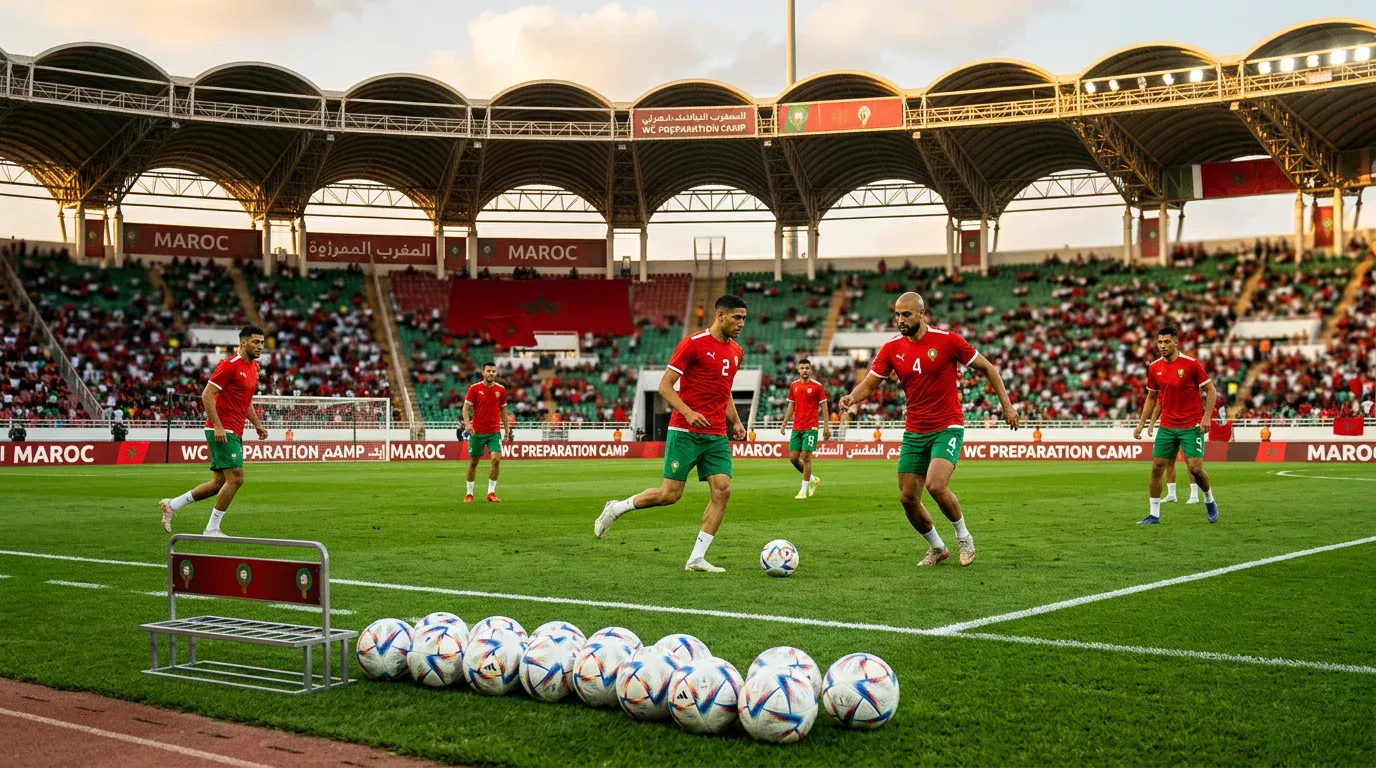
History was made in Qatar. I watched Morocco’s 2022 World Cup run with increasing astonishment — defeating Belgium, Spain, and Portugal before the semifinal against France finally ended African football’s greatest tournament achievement. The Atlas Lions became the first African and Arab nation to reach a World Cup semifinal, their defensive organization and counter-attacking efficiency dismantling European powers who expected comfortable advancement. The 2026 World Cup arrives with expectations that no previous Moroccan generation has faced: replicating or exceeding a run that seemed impossible before Qatar’s desert witnessed it.
Group C pairs Morocco with Brazil, Haiti, and Scotland — a draw that combines South American brilliance with CONCACAF qualification and Scottish resilience. Brazil represents the ultimate group stage test, their quality exceeding the Belgium, Spain, and Portugal squads that Morocco defeated in 2022. For Canadian bettors analyzing all qualified teams, Morocco offers the intriguing combination of proven tournament success, defensive pedigree, and second-favorite status that creates complex positioning dynamics.
CAF Qualification
Moroccan qualification through CAF demonstrated the continental dominance their 2022 success established. African opponents could not match the tactical sophistication and European-based quality that the Atlas Lions possess. The qualification campaign confirmed that 2022 represented sustainable quality rather than tournament variance.
Away fixtures across African venues tested Moroccan composure in challenging environments. Results came through defensive organization and clinical finishing that opponents could not replicate. The depth revealed through squad rotation exceeds African competitors, with backup options maintaining quality when primary starters required rest.
The core squad continuity from 2022 provides tournament experience that most opponents cannot match. Players who defeated Portugal and Spain carry that confidence into 2026, understanding that European giants can be beaten through discipline and efficiency that superior talent cannot always overcome.
Group C — Brazil, Haiti and Scotland
Brazil represents the group stage challenge that tests whether 2022 success extends to defeating football’s most decorated nation. The Seleção possess individual quality exceeding any opponent Morocco has faced, their attacking options creating threats that even elite defensive organization struggles to contain completely. This fixture will reveal whether Moroccan defensive pedigree matches Brazilian attacking brilliance.
The Morocco-Brazil encounter defines Group C’s narrative regardless of other results. Both teams should defeat Haiti and Scotland, making their direct encounter the group decider. Moroccan defensive discipline will face its ultimate test against Vinícius Júnior, Rodrygo, and Brazilian creativity that exceeds even Spanish and Portuguese attacking depth. The tactical battle promises one of the tournament’s defining group stage clashes.
Haiti’s qualification represents historic achievement for Caribbean football, their presence reflecting CONCACAF development rather than realistic knockout ambitions. Morocco should control this fixture through superior quality across every position. The primary consideration involves goal difference accumulation that Brazil competition might require.
Scotland qualified through UEFA with performances demonstrating improved collective organization. Their pressing intensity and set piece threat create specific challenges, but the overall talent gap favors Morocco clearly. This match should produce comfortable victory if concentration maintains throughout.
My projection: Morocco finishes second with 4-6 points after competitive performance against Brazil and victories over Haiti and Scotland, Brazil claims first with 7-9 points, Scotland takes third through organized resistance, and Haiti exits without points.
Key Personnel
Achraf Hakimi remains Morocco’s most dangerous attacking threat from his right-back position. His overlapping runs and crossing quality create chances that traditional fullbacks cannot manufacture. Hakimi’s Paris Saint-Germain experience provides tactical sophistication that complements Moroccan defensive organization with attacking contributions. His pace and stamina allow involvement in both defensive duties and advanced attacking positions, creating numerical advantages that organized defenses struggle to neutralize.
Hakim Ziyech’s creative brilliance provides the technical quality that Moroccan counter-attacks require. His passing vision and set piece delivery create chances from limited possession that efficient finishing converts. Ziyech’s club career has fluctuated, but international performances consistently demonstrate quality that club football has not always showcased. His left-footed delivery from the right wing creates angles that opposing goalkeepers find difficult to cover.
Yassine Bounou’s goalkeeping provides the shot-stopping reliability that defensive organization requires. His penalty-saving heroics in 2022 — including the shootout against Spain — provided psychological advantage that elimination scenarios demand. Bounou’s distribution enables quick transitions that catch opponents in disorganized defensive positions, initiating counter-attacks that efficient Moroccan finishing converts.
The defensive core that produced 2022 success remains largely intact. Center-back partnerships and midfield screening have developed understanding that produces clean sheets against elite attacking opponents. This organizational foundation distinguishes Morocco from African competitors whose individual quality has not translated to collective defensive excellence. The communication and coordination patterns established through years of international football together provide reliability that new combinations cannot immediately replicate.
Sofyan Amrabat’s midfield presence provides the defensive screening that allows Hakimi’s attacking contributions without exposing central areas. His work rate and tactical discipline anchor Moroccan shape regardless of possession phases. Amrabat’s Serie A and Premier League experience develops the positioning intelligence that international football demands from holding midfielders.
The forward positions feature options whose effectiveness depends more on system contribution than individual brilliance. Moroccan attacking success comes through collective movement and efficient finishing rather than reliance on single creative forces. This distributed approach creates unpredictability that man-marking cannot neutralize.
Odds — Can They Replicate 2022
Moroccan outright odds between 30.00 and 50.00 position them among genuine dark horse contenders whose 2022 success demands market respect. The pricing reflects semifinal achievement while accounting for Brazil’s group stage presence and knockout bracket uncertainty. Value exists if you believe 2022 represented sustainable quality that different opponents cannot neutralize through tactical adjustment.
Group C qualification odds around 1.40-1.60 reflect Brazil’s dominance while acknowledging Moroccan advancement probability exceeding 70%. These prices appear fairly valued given the fixture difficulty that Brazil represents compared to 2022’s group opponents. The margin for Moroccan qualification remains comfortable despite Brazil’s presence.
Player markets offer limited opportunities given Morocco’s defensive emphasis. Hakimi’s attacking contributions from fullback create longer-odds value in goal and assist markets that aggregate tournament involvement. Clean sheet markets reflect the defensive organization that 2022 demonstrated remains reliable against elite opposition.
Tournament specials around Morocco reaching quarterfinals trade around 2.80-3.50, reflecting expectations that 2022 success should at least partially replicate. These prices may offer value if defensive quality remains consistent and knockout draws prove favorable. The semifinal repetition market offers longer odds around 6.00-8.00 that represent genuine upside potential for believers in Moroccan consistency.
From 2022 Glory to 2026 Expectations
The psychological dimension of following historic success creates unique challenges. Morocco enters 2026 as proven tournament performers rather than underdogs whose failures carry no consequences. This expectation shift affects preparation and in-match mentality in ways that analysis cannot fully predict. Previous African teams that achieved unexpected success often struggled to replicate in subsequent tournaments.
The 2022 run demonstrated what defensive organization and efficient finishing can achieve against technically superior opponents. Spain’s penalty shootout exit and Portugal’s knockout elimination proved that elite European teams could be beaten through discipline and efficiency that superior talent cannot always overcome. Whether this formula replicates depends on opponent preparation — Spain, Portugal, and Belgium may have underestimated Moroccan quality in ways that 2026 opponents will not.
The squad aging creates questions about peak condition maintenance. Several 2022 contributors are now older, their physical capacity for tournament intensity uncertain. The balance between experience and energy determines whether Morocco matches or exceeds previous achievements. Younger players have emerged through the system, but integrating new components while maintaining defensive organization requires careful management.
The tactical blueprint Morocco employed in 2022 has been studied extensively by opponents and analysts. Counter-attacking efficiency against possession-dominant teams represented the approach that produced success. Whether opponents have developed countermeasures or Morocco has evolved new dimensions determines the tactical battles that 2026 will feature.
Tournament Projection
Morocco qualifies from Group C in my projection, likely as runners-up behind Brazil after competitive group stage performance. The Round of 32 provides opportunity to demonstrate that 2022 success remains sustainable against knockout pressure. Quarterfinal advancement sits around 35% probability, with semifinal repetition near 15% representing upside scenarios.
The floor scenario involves group stage elimination if Brazil produces heavy defeat and Scotland’s organization proves more problematic than anticipated. These outcomes seem unlikely given demonstrated quality but remain possible in tournament football where single matches determine advancement regardless of aggregate capability.
Position sizing should reflect proven quality — meaningful exposure to a team that has demonstrated knockout round credentials against elite European opponents. The downside involves regression toward historical African norms if 2022 represented variance rather than sustainable excellence. Balanced positions acknowledge both scenarios while favoring upside exposure that 2022 credentials support.
For Canadian bettors evaluating Morocco positions, the key consideration involves sustainability assessment. If 2022 represented genuine quality breakthrough, current odds significantly undervalue Moroccan potential. If it represented favorable variance against unprepared opponents, market pricing appropriately reflects expectations. The evidence from CAF qualification suggests quality has persisted, supporting optimistic interpretation.
