World Cup 2026 Betting
All 48 Teams at the 2026 World Cup — Odds, Groups & Profiles
 Available in US
Loading...
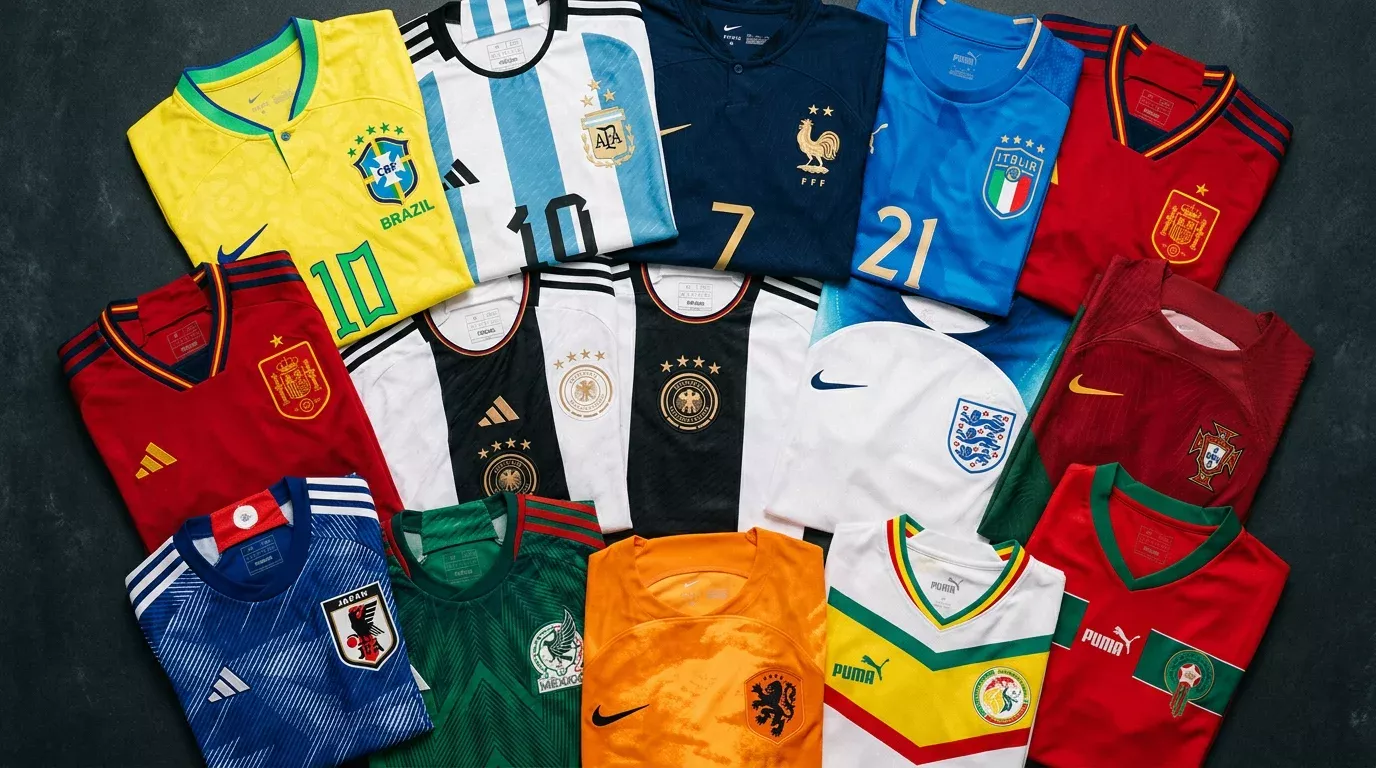
Forty-eight. That number echoes through every discussion of the 2026 World Cup — the largest field in tournament history, a fifty percent expansion from the 32-team formats that defined every edition since 1998. For nine years, I have tracked World Cup betting markets, and never have I faced a field this sprawling. Sixteen teams qualified for this World Cup that would have missed a traditional 32-team bracket. Some are competitive dark horses. Others are tournament novices arriving at soccer’s biggest stage for the first time. All 48 World Cup 2026 teams require assessment before a single wager makes sense.
This reference profiles every qualified nation by confederation, with group assignments, approximate odds tiers, and analytical context that betting markets cannot fully capture. The six FIFA confederations — UEFA, CONMEBOL, CONCACAF, CAF, AFC, and OFC — each qualified varying numbers of teams through distinct competitive processes. Understanding these qualification paths matters for tournament betting because teams that struggled to qualify often carry momentum concerns into the World Cup itself, while teams that dominated qualification sometimes face expectations that betting markets have already priced away.
I have structured this guide for practical use. Navigate to your confederation of interest or read sequentially to build complete tournament context. Each section addresses both individual team profiles and cross-confederation dynamics that shape group-stage betting. By the end, you will have a comprehensive map of the 48 teams at the 2026 World Cup — their strengths, weaknesses, and betting implications heading into June.
Tournament Format and Qualification Summary
Before diving into specific teams, the allocation framework deserves attention. FIFA distributed World Cup spots across confederations based on competitive strength and regional representation, with additional places decided through intercontinental playoffs. This distribution determines which teams arrived easily and which barely survived to reach the tournament.
UEFA, representing European nations, received 16 spots — the largest allocation for any confederation. European qualification operated through traditional group stages with playoff rounds for teams that fell short of automatic qualification. The quality depth across UEFA means that even teams finishing third in qualification groups often possess talent capable of tournament success. Germany, France, England, Spain, and the Netherlands headline UEFA’s contingent, but nations like Belgium, Portugal, and Croatia carry legitimate knockout-round aspirations. Four additional UEFA teams qualified through playoff paths decided in March 2026: Czechia, Bosnia and Herzegovina, Sweden, and Turkey.
CONMEBOL, South America’s confederation, received six spots through their ten-team round-robin qualifying format. Brazil and Argentina qualified comfortably, as expected from nations holding nine combined World Cup titles. Colombia, Uruguay, Ecuador, and Paraguay completed the South American contingent. CONMEBOL qualification operates as a grueling 18-match process spanning nearly two years, meaning teams that qualified from South America arrive battle-tested from the most competitive confederation format in world soccer.
CONCACAF, covering North America, Central America, and the Caribbean, received six spots. Three automatic berths went to host nations — Canada, Mexico, and the United States — who bypassed qualification entirely. The remaining three spots were contested through CONCACAF’s octagonal final round, with Panama, Haiti, and Jamaica emerging. For Canada, the hosting arrangement means zero competitive matches with World Cup implications since 2022 — a double-edged circumstance that provided rest while denying meaningful preparation against tournament-caliber opposition.
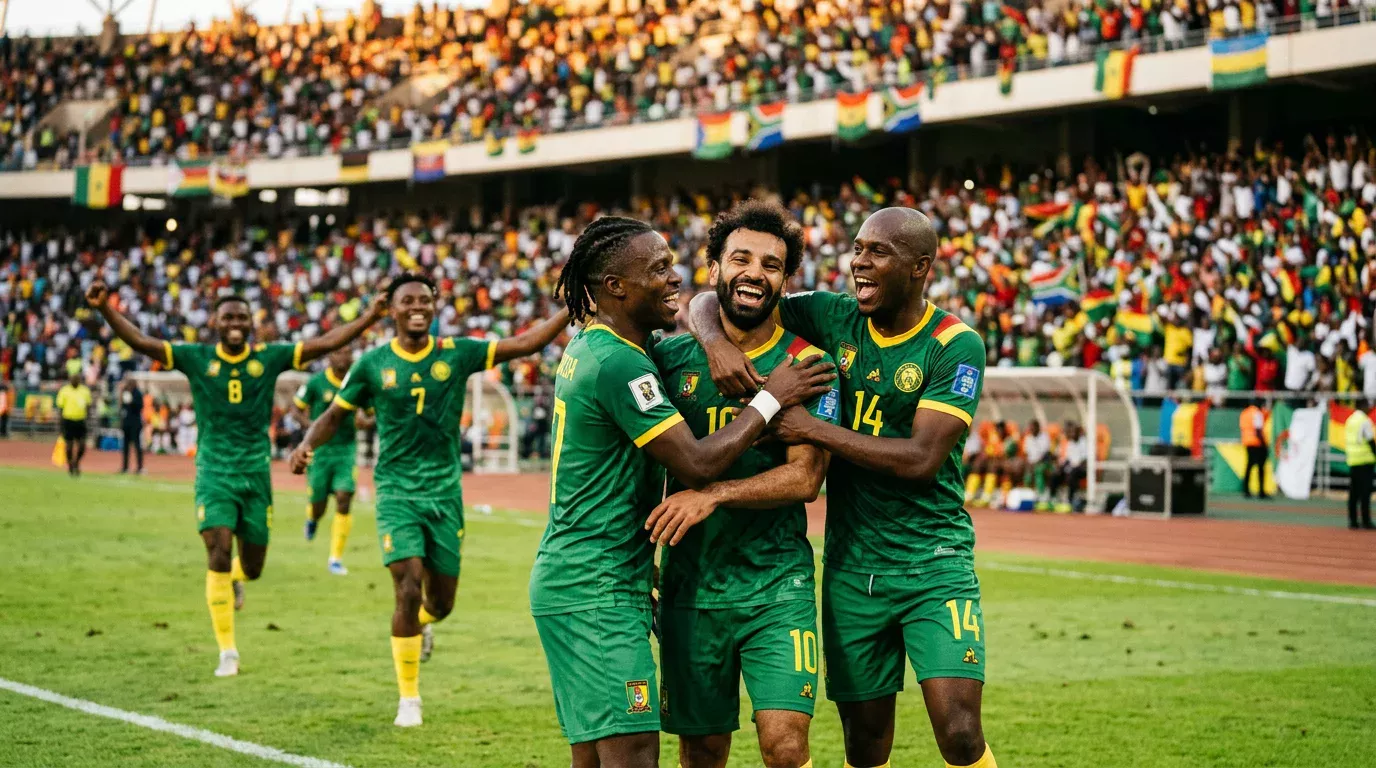
CAF, the African confederation, expanded to nine spots — a significant increase reflecting the continent’s growing depth. Morocco’s 2022 semifinal run demonstrated African potential at the highest level, and the 2026 contingent includes several nations capable of replicating that success. Morocco, Senegal, Egypt, Algeria, Ivory Coast, Ghana, Tunisia, South Africa, and Cape Verde represent CAF’s qualified teams.
AFC, covering Asia and Australia, received eight spots. Australia qualified through AFC rather than OFC, as they have since 2006. Japan and South Korea headline Asia’s contingent as traditional powers, but nations like Saudi Arabia (whose victory over Argentina opened the 2022 tournament) and Iran carry upset potential. Qatar returns as 2022 hosts now competing without home advantage. Iraq and Jordan round out the Asian allocation.
OFC, covering Oceania, received one guaranteed spot plus potential playoff opportunities. New Zealand qualified as OFC’s sole automatic representative, returning to the World Cup for the first time since 2010.
Two intercontinental playoff berths added the final qualifiers. DR Congo won Africa’s playoff position against an Asian opponent, while Iraq secured Asia’s second playoff spot. These late additions face the shortest preparation windows but also carry momentum from recent competitive matches that other qualifiers lack.
UEFA — European Qualifiers
Sixteen European nations descend upon North America, and the concentration of talent makes UEFA’s allocation both the deepest and most difficult to parse for betting purposes. I have watched four World Cup cycles where European teams dominated knockout rounds, and nothing in this field suggests 2026 will differ. The question is not whether UEFA teams advance — it is which ones survive the knockout gauntlet against each other.
France enters as the defending 2022 finalist and 2018 champion. Les Bleus possess generational depth — Kylian Mbappé leads an attack that produced 27 goals across qualification, while a midfield anchored by Aurélien Tchouaméni and Eduardo Camavinga handles both defensive responsibilities and progressive distribution. France’s group (I) includes Norway, Senegal, and Iraq — a manageable path that should preserve energy for knockout rounds. Betting markets price France alongside Argentina and Brazil as co-favourites, and that assessment reflects their squad quality accurately.
England arrives with the weight of generations seeking a first major trophy since 1966. The core that reached Euro 2024 semifinals remains largely intact: Harry Kane leading the line, Jude Bellingham orchestrating from midfield, and a defensive structure that has improved under recent management. Group L places England alongside Croatia, Ghana, and Panama — a draw that appears comfortable but includes 2022 third-place finisher Croatia, a side that consistently outperforms expectations in knockout tournaments. England’s betting odds reflect both their talent and their historical underperformance when margins tighten.
Germany hosts no matches but enters determined to erase the humiliation of consecutive group-stage exits in 2018 and 2022. Die Mannschaft qualified impressively, and the blend of experienced veterans with emerging talents suggests improved tournament readiness. Germany’s group (E) with Ivory Coast, Ecuador, and Curaçao should not threaten their advancement, allowing focus on the knockout fixtures where Germany has historically excelled. Four-time World Cup winners warrant respect regardless of recent struggles.
Spain combines their traditional possession-based identity with a generational talent influx. Pedri, Gavi, and Lamine Yamal represent the youngest core among tournament contenders, while veteran leadership from Álvaro Morata and others provides experience balance. Group H sets Spain against Saudi Arabia, Uruguay, and Cape Verde — a draw featuring an underrated Uruguayan side that should provide Spain’s sternest group test. Spain’s defensive vulnerabilities have cost them in recent tournaments, and betting against Spain in matches requiring clean sheets remains viable.
The Netherlands continues its cycle of rebuilding and resurgence. Current Dutch squads lack the individual brilliance of past generations but compensate through tactical discipline and system coherence. Group F alongside Japan, Sweden, and Tunisia presents tricky matchups — Japan’s pressing and Sweden’s physicality test different Dutch weaknesses. Netherlands holds value at current odds for bettors willing to accept their ceiling might fall short of the semifinals.
Portugal arrives amid squad transition. Cristiano Ronaldo’s role diminishes with each tournament, while emerging talents must prove themselves on the World Cup stage. Group K pairs Portugal with Colombia, Uzbekistan, and DR Congo — Colombia represents a legitimate threat, and Portugal’s path to the knockout rounds includes more uncertainty than their historical pedigree suggests. The betting angle on Portugal involves identifying whether their squad coheres around emerging leadership or fragments under the weight of generational shift.
Belgium, once the perennial “golden generation” that never delivered tournament success, enters 2026 with reduced expectations. Kevin De Bruyne remains world-class, but surrounding pieces have aged without adequate replacement. Group G with Iran, New Zealand, and Egypt should yield advancement, but Belgium’s knockout ceiling appears lower than any World Cup since 2014.
Croatia somehow keeps competing at the highest level despite a player pool fraction the size of major nations. Luka Modrić may finally yield to age, but the midfield depth around him and a consistent tactical identity make Croatia dangerous against any opponent. Group L alongside England, Ghana, and Panama includes familiar opponents — Croatia has faced England in recent knockout rounds and knows exactly how that fixture unfolds.
The UEFA playoff qualifiers — Czechia, Bosnia and Herzegovina, Sweden, and Turkey — each carry distinct profiles. Bosnia and Herzegovina merits particular attention as World Cup debutants who defeated Italy in their playoff final on penalties. That victory demonstrated mental resilience that translates to tournament environments. They join Canada’s Group B, creating a storyline for Canadian hosts facing tournament newcomers with something to prove.
CONMEBOL — South American Qualifiers
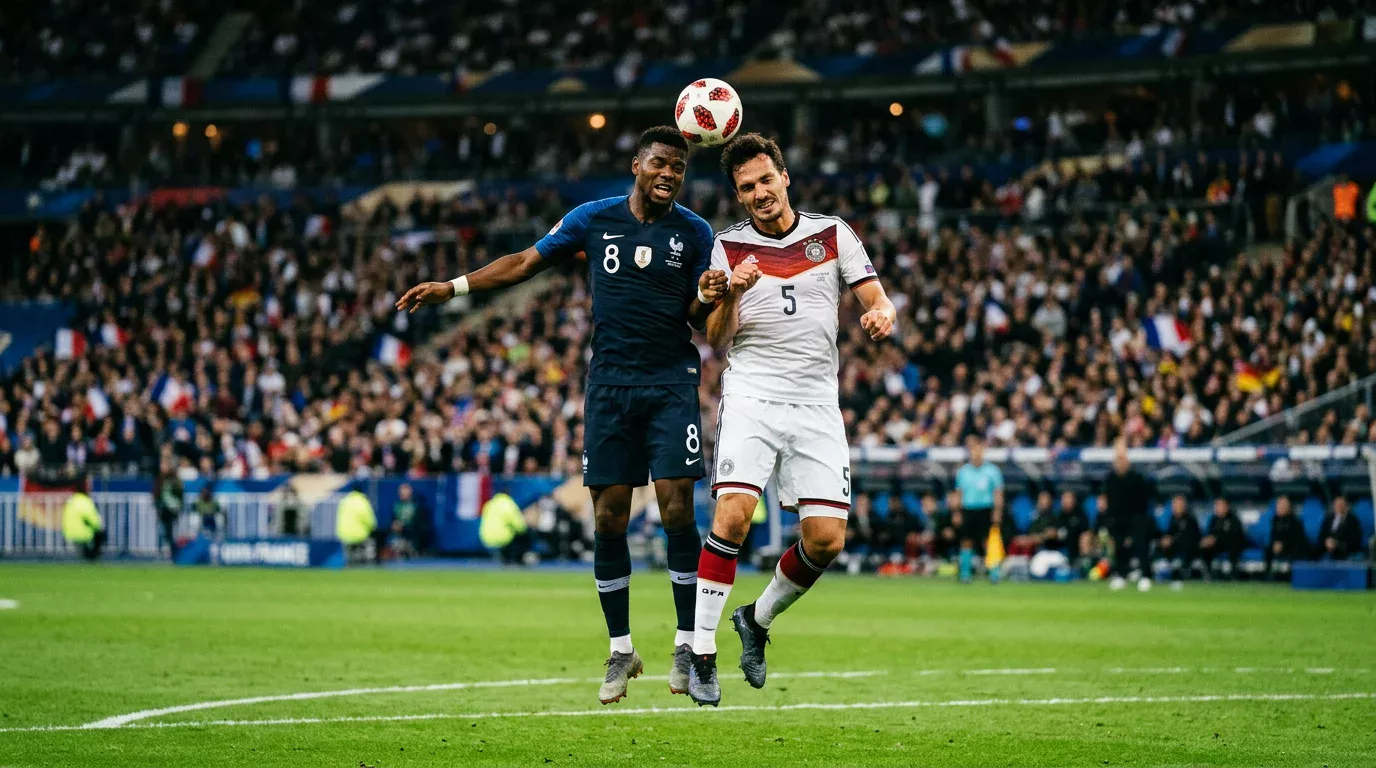
Six South American teams qualified, and the predictability ends there. CONMEBOL qualification operates across 18 matches spanning nearly two years, meaning every team arrives with extensive competitive data but also extensive injury and fatigue concerns. The altitude variation — from sea level to La Paz at 3,600 meters — produces wild results that barely translate to World Cup environments. Projecting CONMEBOL teams requires discounting qualification form appropriately.
Argentina enters as defending World Cup champions, and their tournament pedigree demands respect. Lionel Messi’s final World Cup adds narrative weight, though the supporting cast has matured into a genuine championship core rather than mere support for individual brilliance. Ángel Di María retired from international duty, but Julián Álvarez, Enzo Fernández, and Alexis Mac Allister give Argentina depth that previous generations lacked. Group J with Algeria, Austria, and Jordan should be comfortable, allowing Argentina to manage fitness through the group stage before knockout demands intensify.
Brazil’s history — five World Cup titles, more than any nation — guarantees attention regardless of current form. The Seleção have rebuilt around Vinícius Júnior, Rodrygo, and a new generation of talent that finally appears ready for tournament pressure. Their 2022 quarterfinal exit on penalties to Croatia remains fresh motivation. Group C places Brazil alongside Morocco, Haiti, and Scotland — Morocco represents a genuine test given their 2022 semifinal credentials, while Haiti’s tournament debut provides Brazil a straightforward opening fixture.
Colombia has built a squad capable of challenging for knockout-round success. Luis Díaz and Rafael Santos Borré lead an attack that tormented CONMEBOL defenses, while James Rodríguez continues providing creative orchestration. Group K pairs Colombia with Portugal, Uzbekistan, and DR Congo — a draw where Colombia might finish above traditionally higher-ranked Portugal if their current form translates. Colombian diaspora communities in Canada ensure passionate support across tournament venues.
Uruguay arrives with modest expectations but should not be underestimated. La Celeste’s competitive identity — physical, defensively organized, clinically opportunistic — travels well to tournament environments. Darwin Núñez and Federico Valverde represent the new generational core, while veterans provide institutional knowledge from past World Cups. Group H with Spain, Saudi Arabia, and Cape Verde includes a potential upset opportunity against Spain if Uruguay’s disruptive defensive approach frustrates Spanish possession.
Ecuador and Paraguay complete CONMEBOL’s contingent with significantly lower expectations. Ecuador’s high-altitude advantage disappeared in qualification but their young squad could mature quickly across tournament matches. Paraguay struggled to qualify and faces long odds for group-stage advancement. Both teams occupy the dark horse category — capable of single-match upsets but unlikely to sustain knockout runs.
CONCACAF — North and Central America
Six CONCACAF teams qualified, but three bypassed the traditional qualification pathway entirely. Canada, Mexico, and the United States earned automatic berths as host nations — an arrangement that provides rest but denies competitive preparation. The remaining spots went to Panama, Haiti, and Jamaica through the octagonal final round, a grueling process that tested depth and consistency across calendar years.
Canada stands alone in this analysis as the home nation with maximum betting interest for Canadian bettors. The Canada World Cup 2026 journey begins in Toronto with all three group matches on home soil, an advantage no other team enjoys to this extent. Alphonso Davies remains the marquee talent, his pace and directness create problems for any defense, while Jonathan David leads the line with proven goal-scoring credentials from club football. Group B pairs Canada with Switzerland, Qatar, and Bosnia and Herzegovina — a draw requiring consistent performance rather than single-match brilliance. Switzerland enters as group favourites based on historical ranking, but Canada’s home advantage should narrow that gap substantially.
The United States enters their home World Cup with expectations that have risen dramatically since 2022. A young squad that competed admirably in Qatar has matured through additional club and international experience. Christian Pulisic, Weston McKennie, and Tyler Adams form a core that has played together for years, while emerging talents continue breaking into European club football. Group D with Paraguay, Australia, and Turkey projects as manageable, though Turkey’s playoff qualification suggests competitive resilience. American betting markets will heavily favour the USMNT throughout group stages, potentially creating value on opponents receiving inflated lines.
Mexico opens the tournament at Estadio Azteca — the spiritual home of Mexican football and site of two previous World Cup finals. That emotional advantage matters, but El Tri enters with questions about generational transition and managerial stability. Their group (A) with South Korea, South Africa, and Czechia should yield advancement, but Mexican expectations extend far beyond group stages. Whether this squad can break the Round of 16 barrier that has frustrated Mexican football since 1986 remains uncertain.
Panama returns to the World Cup for a third consecutive edition, this time with realistic advancement hopes given the expanded format. Their physical, defensively organized style can frustrate technical opponents for 90 minutes. Group L with England, Croatia, and Ghana appears daunting, but third-place advancement possibilities mean Panama needs only one or two strong performances to extend their tournament.
Haiti makes their second World Cup appearance — their first since 1974. This Caribbean nation qualified against considerable odds, and their presence represents national triumph regardless of results. Group C with Brazil, Morocco, and Scotland means difficult matchups throughout, but historical upsets suggest underdog possibilities should never be entirely dismissed.
CAF — African Qualifiers
Nine African nations qualified for the 2026 World Cup, the largest CAF allocation in history. Morocco’s 2022 semifinal run — the first by any African or Arab nation — shattered ceilings and reframed continental expectations. This generation of African football combines European club development with strengthening domestic infrastructure, producing players competitive at the highest levels across multiple positions.
Morocco enters as Africa’s headline contender. The Atlas Lions retained most of their 2022 squad while adding emerging talents, and their defensive organization under manager Walid Regragui sets the standard for tournament preparation. Group C with Brazil, Haiti, and Scotland places Morocco directly against a tournament favourite — a fixture that should indicate whether Morocco can replicate or exceed their 2022 performance. Betting on Morocco to advance from the group seems straightforward; betting on Morocco for deeper runs requires assessing whether their 2022 run represented peak performance or a platform for continued success.
Senegal combines physical presence with technical quality across every position. Sadio Mané aged but remains influential, while younger players have assumed more prominent roles. Group I with France, Norway, and Iraq presents a clear favourite in France but also achievable points against Norway and Iraq. Senegal’s ceiling extends to quarterfinals if bracket draws cooperate; their floor remains group-stage exit if France proves overwhelming.
Egypt returns with Mohamed Salah still leading their attack, though his supporting cast has evolved since previous tournaments. Group G with Belgium, Iran, and New Zealand offers Egypt their best advancement path — Belgium’s decline and New Zealand’s inexperience create openings. Egyptian diaspora populations across North America ensure strong crowd support regardless of venue.
Algeria, Ivory Coast, Ghana, Tunisia, South Africa, and Cape Verde complete CAF’s contingent with varying profiles. Algeria possesses talent capable of surprising established powers but has underperformed expectations in recent tournaments. Ivory Coast combines emerging stars with experienced veterans and drew a favourable Group E alongside Germany, Ecuador, and Curaçao. Ghana’s group L placement means difficult matches against England and Croatia but also Panama as a points opportunity. Tunisia, South Africa, and Cape Verde face long odds for advancement but could produce individual match upsets that disrupt betting expectations.
AFC — Asian Qualifiers
Eight Asian nations qualified, representing a continent that has demonstrated increasing World Cup competitiveness over recent cycles. Saudi Arabia’s opening-match victory over Argentina in 2022 announced Asian capability to the world, while Japan and South Korea consistently advance from group stages against European and South American opposition. This AFC contingent may be the strongest in tournament history.
Japan enters with legitimate knockout-round ambitions. Their squad features players competing at top European clubs — Takefusa Kubo, Takumi Minamino, and others have developed in elite environments while maintaining national team commitment. Japan’s pressing system and tactical flexibility troubled Germany and Spain in 2022, and those tools return sharpened by additional experience. Group F with Netherlands, Sweden, and Tunisia presents winnable matchups across all fixtures. Japan’s betting value depends on whether markets have fully incorporated their 2022 demonstration or continue pricing historical Asian underperformance.
South Korea remains competitive through individual brilliance and collective organization. Son Heung-min leads the attack as one of the world’s elite players, while midfield and defense have improved substantially. Group A with Mexico, South Africa, and Czechia appears navigable, with South Korea projected to challenge Mexico for group leadership.
Saudi Arabia rides the momentum of their 2022 Argentina upset into a World Cup where they lack home advantage. Group H with Spain, Uruguay, and Cape Verde includes two difficult opponents and one achievable fixture. Saudi Arabia’s tactical discipline can frustrate possession-oriented sides, but sustaining that intensity across three matches while away from familiar conditions presents challenges.
Iran, Qatar, Iraq, Jordan, and Australia complete AFC’s representatives. Iran has historically competed effectively at World Cups, and their current squad includes experienced European-based players. Qatar returns without the hosting advantage that defined their 2022 experience — their Group B placement with Canada, Switzerland, and Bosnia tests whether their on-pitch quality survives neutral environments. Iraq qualified through intercontinental playoffs and faces steep odds in Group I against France and Senegal. Jordan marks another tournament debut, joining Group J with Argentina, Algeria, and Austria. Australia switched confederations from OFC to AFC years ago and now competes alongside their new regional rivals.
OFC — Oceania
New Zealand represents OFC as its sole automatic qualifier — a status that reflects both New Zealand’s regional dominance and the confederation’s competitive isolation from world football’s major circuits. The All Whites return to the World Cup for the first time since 2010, and their squad has improved substantially in the intervening years. Chris Wood leads the line with Premier League experience, while other players compete across European leagues at varying levels.
Group G places New Zealand alongside Belgium, Iran, and Egypt — opponents significantly higher in FIFA rankings but not insurmountable. New Zealand’s path to advancement requires either an upset over Belgium or consistent performances against Iran and Egypt to position third-place qualification. The expanded format gives New Zealand realistic advancement possibilities that simply did not exist in 32-team tournaments. Whether they capitalize depends on defensive organization and clinical efficiency when limited chances arrive.
Intercontinental Playoff Qualifiers
Two intercontinental playoff spots added the final qualified teams shortly before tournament preparation windows closed. These late qualifiers arrive with the least preparation time but also the most recent competitive experience — a tradeoff that varies by team.
DR Congo qualified through the Africa-Asia playoff pathway, securing CAF’s final spot against Asian opposition. Congolese football has grown substantially, and several players compete at high club levels across Europe. Group K with Colombia, Portugal, and Uzbekistan presents steep competition, but DR Congo’s qualification demonstrated their capability against continental rivals.
Iraq returned to the World Cup through the intercontinental playoff system, ending a decades-long absence from soccer’s biggest stage. Iraqi football has rebuilt from years of conflict-related disruption, and reaching the World Cup represents national triumph beyond sporting achievement. Group I placement with France, Senegal, and Norway means difficult matchups, but Iraq’s journey to reach the tournament ensures maximum effort regardless of advancement odds.
Dark Horses and Value Picks
Every World Cup produces unexpected runs — teams that outperform their betting odds through tactical coherence, favourable draws, or simply peaking at the right moment. Identifying these dark horses before the tournament begins creates value that disappears once results confirm quality. I have followed these markets long enough to recognize the patterns that precede breakout performances.
Japan presents the strongest dark-horse case for tournament success. Their system translated directly against top European opposition in 2022, defeating both Germany and Spain in group-stage matches before falling to Croatia on penalties in the Round of 16. The intervening years have only deepened squad quality, with Japanese players now competing at Champions League level across multiple positions. Current outright odds price Japan as a mid-tier contender, but their ceiling extends to semifinals if bracket draws cooperate and knockout margins fall their way. Japan’s Group F draw — Netherlands, Sweden, Tunisia — appears winnable without exhausting their squad for later rounds. The tactical foundation is established; what remains is proving it extends across a full tournament rather than isolated matches.
Colombia deserves consideration for similar reasons. Their CONMEBOL qualification performance exceeded expectations, finishing above Uruguay and Ecuador in the table. Luis Díaz has emerged as a genuine world-class talent since the last World Cup cycle, and the current squad possesses attacking quality capable of troubling any defense. James Rodríguez continues providing creative orchestration when fit, and the supporting cast around these stars has improved substantially. Group K with Portugal and Uzbekistan plus DR Congo seems favourable for a team peaking at the right moment. Colombian odds for quarterfinal advancement represent value relative to their current form and recent competitive results.
Croatia consistently outperforms tournament expectations through midfield control and big-match mentality. Third place in 2022, finalist in 2018, and consistent knockout-round competitors across recent cycles — this pattern speaks to organizational quality that transcends individual talent cycles. Despite an aging core, they continue competing at levels beyond their population would suggest. Group L with England is difficult, but Croatia’s experience against English opponents provides institutional knowledge that betting markets may undervalue. Luka Modrić enters perhaps his final World Cup, and teams led by retiring legends often find additional motivation in those circumstances.
Morocco proved in 2022 that African nations can reach World Cup semifinals. Their defensive organization under Walid Regragui created a template that has since been studied and partially replicated across other national teams. Whether they can repeat that performance depends on squad maintenance and bracket position. Their Group C draw includes Brazil — a difficult opener — but also Scotland and Haiti as path-clearing opportunities. Morocco’s World Cup 2026 odds for deep runs carry value if their 2022 performance represents sustained capability rather than single-tournament overperformance. The core remains intact, the system remains functional, and the motivation to prove 2022 was no fluke provides additional drive.
Canada warrants dark-horse classification specifically for Canadian bettors willing to accept home-tournament variance. Playing every group match on home soil, with passionate crowds filling Toronto and Vancouver venues, creates advantages that pure talent assessment cannot capture. Switzerland enters as Group B favourites based on FIFA ranking and historical tournament performance, but Canada’s conditions suggest the gap between them is narrower than odds indicate. Alphonso Davies provides world-class quality on the left flank, Jonathan David has proven himself at Champions League level, and the depth behind these stars has improved through continued European club development. Canadian advancement from the group appears likely; Canadian knockout success depends on bracket draw and whether home support sustains through road fixtures in the United States.
Switzerland themselves deserve dark-horse mention despite entering as Group B favourites. Their consistent knockout-round appearances across recent tournaments demonstrate organizational excellence that produces results without generating headlines. Granit Xhaka anchors the midfield with experience, and the Swiss system maximizes collective output from a squad lacking individual superstars. For bettors seeking value outside conventional favourites, Switzerland’s quarterfinal or semifinal odds represent reasonable risk-reward profiles.
Building Your Tournament Framework
Forty-eight teams produce 12 groups, 104 matches, and countless betting opportunities. Processing this volume requires framework — systematic approaches that reduce complexity while maintaining accuracy. I have shared team-by-team profiles because details matter, but those details serve larger pattern recognition.
European dominance structures knockout-round expectations. Sixteen UEFA teams will produce most semifinalists and likely both finalists. This is not bias but historical pattern — South American powers compete at the highest level, but depth across knockout rounds consistently favours European confederation quality. Betting strategies that account for this asymmetry avoid systematic errors.
Expansion creates group-stage opportunity. Sixteen additional teams present in the 2026 format create skill disparities that 32-team World Cups lacked. Some matches will feature heavy favourites against tournament debutants still adjusting to World Cup intensity. These mismatches offer value on spreads and totals when market pricing fails to capture the magnitude of talent gaps.
Home advantage matters for North American hosts. Canada, Mexico, and the United States enjoy crowd support, familiar conditions, and travel minimization that no other teams experience. These factors appear consistently in historical World Cup data for host nations and should inform betting assessments throughout group stages.
Finally, the tournament structure rewards advancement over dominance. Winning your group matters less than surviving it. Third-place advancement means even teams that struggle in early matches can recover through later performances. Betting approaches should weight survival odds more heavily than expected points totals for teams whose ceilings extend to knockout rounds.
