World Cup 2026 Betting
World Cup 2026 Betting Strategy — Systematic Tournament Approach
 Available in US
Loading...
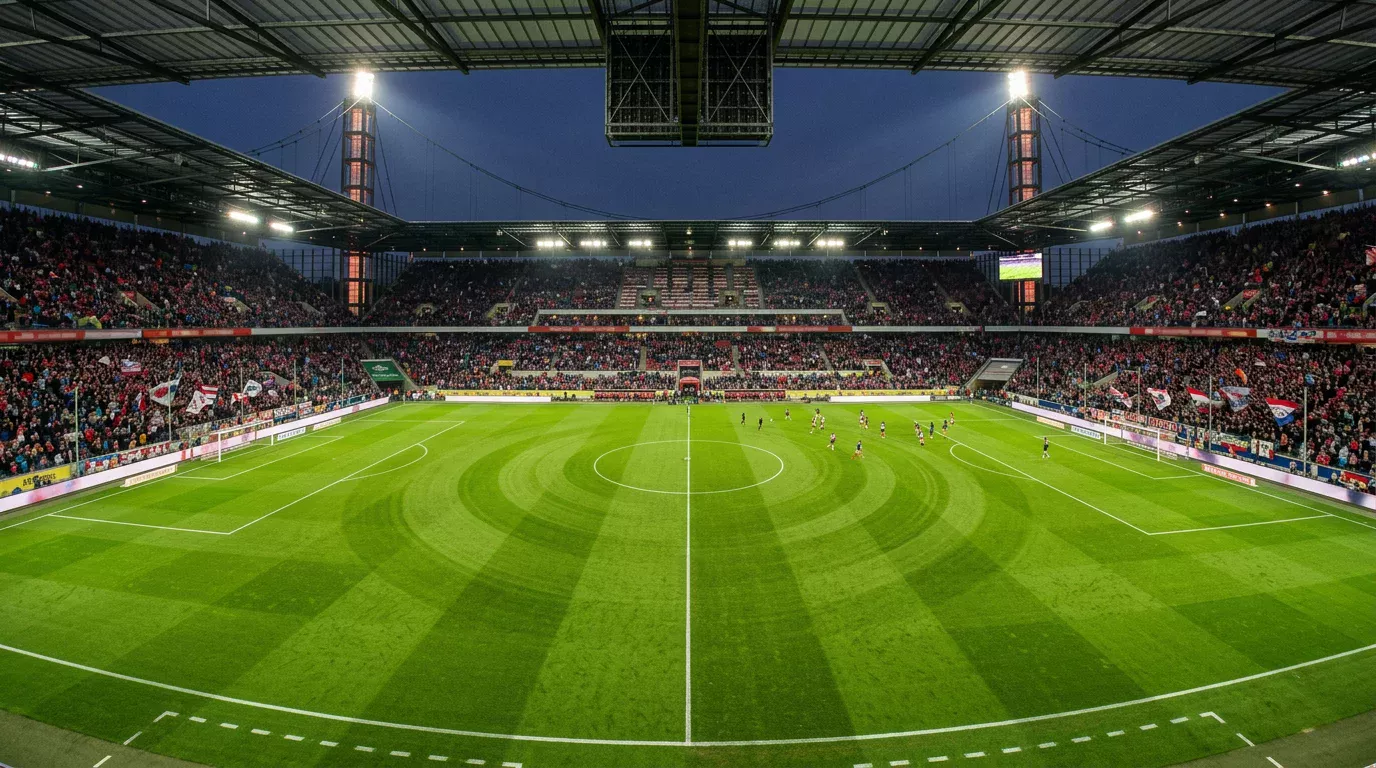
Tournament betting differs from league betting in structural ways that demand strategic adjustment. A 39-day World Cup compresses what normally spans nine months into an emotional sprint where variance clusters unpredictably. Favorites face elimination on single unlucky moments. Underdogs ride adrenaline through rounds they have no business surviving. Sharp bettors approach this environment systematically rather than reactively, deploying bankroll across tournament phases with discipline that recreational punters lack.
This guide structures World Cup betting strategy across distinct phases: pre-tournament futures, group stage matches, knockout adjustments, and in-play opportunities. Each phase demands different analytical frameworks and bankroll considerations. The goal is sustainable engagement across 104 matches and 39 days without the emotional exhaustion that leads to poor late-tournament decisions.
Pre-Tournament Phase — Locking In Futures
Futures markets open months before kickoff and move significantly as the tournament approaches. Early prices reflect uncertainty that late prices eliminate. For bettors with genuine edge in projecting outcomes, early entry captures value that erodes as information improves. The pre-tournament phase offers opportunities unavailable once matches begin.
Outright winner markets offer the longest-term futures. Prices shift based on injury news, qualification results, form trajectories, and narrative momentum. The optimal entry window occurs after final squads crystallize but before casual betting volume inflates favorites and compresses underdogs. For 2026, this window likely falls in late May when rosters announce but before tournament excitement peaks. Early June offers final entry opportunity before opening match activity floods markets with recreational volume.
Group winner and advancement markets follow similar dynamics. Early prices often misprice groups with unclear hierarchies — the competitive Group F (Netherlands, Japan, Sweden, Tunisia) will see significant line movement as opinions solidify. Lock positions before consensus hardens if you disagree with market assessment. Group B presents similar opportunity where Canada’s home advantage may remain underpriced until tournament fever focuses attention on host narratives.
Golden Boot futures move based on lineup confirmation and injury status. A designated penalty taker on a deep-contending team becomes immediately more valuable once that role confirms. Monitor pre-tournament friendlies for tactical information that affects striker deployment. Rotation patterns in final warmup matches signal manager intent for tournament openers.
Tournament advancement markets (team to reach quarterfinals, semifinals, final) offer middle-ground between outright winner volatility and group-specific limitations. These markets suit teams whose quality suggests deep runs without championship probability. Canada at 5.00-6.00 to reach quarterfinals captures upside without requiring championship-level performance. Japan to reach semifinals rewards giant-killing potential without demanding sustained excellence.
The key discipline: commit pre-tournament allocations before matches begin and do not chase after opening results. Early tournament chaos tempts reactive futures betting — resist. Your edge existed in pre-tournament analysis; game-time information arrives too late and too noisy to inform updated futures positions. Maintain conviction through variance.
Group-Stage Approach — Matchday 1 vs. Matchday 3
Group stages proceed across three matchdays with distinct dynamics. Matchday 1 features maximum uncertainty, conservative tactics, and referee caution. Matchday 3 produces desperation, rotation, and extreme outcome variance. Understanding these phases shapes bet selection across the 72 group matches. The difference between successful tournament betting and recreational losses often comes down to phase recognition.
Matchday 1 characteristics favor draws and unders. Teams play cautiously in tournament openers, prioritizing defensive stability over attacking risk. Historical data shows opening matches produce under 2.5 goals approximately 60% of the time. Draws occur at elevated rates because neither team needs three points desperately. Back underdogs on moneylines at inflated prices — favorites historically underperform matchday 1 expectations as pressure constrains performance.
Matchday 2 transitions toward decisive outcomes. Teams with opening losses attack urgently; teams with opening wins can absorb pressure and play conservatively. The matches where both teams drew their opener produce interesting dynamics — pressure exists without desperation. Consider both-teams-to-score markets when two draw-facing teams meet. Matchday 2 also produces clearer hierarchy information that informs matchday 3 expectations — use results to update your model rather than your pre-tournament assumptions.
Matchday 3 maximizes variance. Teams already qualified often rotate heavily, creating mismatches between motivated underdogs and rested favorites. Teams facing elimination throw tactical caution aside, producing high-event matches with elevated card rates and goal totals. Goals concentrate in final group matches at rates exceeding earlier rounds — approximately 3.1 goals per match historically versus 2.4 in openers. Back overs in matches with clear desperation dynamics; back motivated underdogs against rotating qualifiers who have nothing to play for.
Simultaneous kickoffs in final group matches create information voids that sharp bettors can exploit. Goals in parallel matches affect qualification scenarios instantly. Live bettors watching both matches gain edge over those focused on single contests. The 2026 format with 12 groups produces complex final-matchday scenarios where cross-group third-place comparisons add uncertainty layers.
Across all matchdays, monitor confirmed lineup news. World Cup groups produce surprise rotations — managers rest key players before knockouts even when positions remain unfixed. Late team news creates market inefficiencies that disappear within minutes of confirmation. Position yourself to act quickly when information advantages appear. Follow reliable journalist sources rather than social media speculation.
Knockout Phase — Adjusting for Elimination Pressure
Knockout rounds transform tournament dynamics fundamentally. Single-elimination concentrates stakes, reduces risk tolerance, and produces conservative tactical approaches that suppress goals while extending match durations. Strategy must adjust accordingly. The approaches that worked in group stages become liabilities in elimination contexts.
Draw rates spike in knockout rounds. Matches level after 90 minutes approximately 38% of the time in recent tournaments, far exceeding the 22% baseline for competitive international football. This argues for backing draws at full-time rather than match winners, then pivoting to qualification markets that capture extra time and penalty potential. The draw at half-time or full-time becomes an attractive position when two quality defensive teams meet.
Favorite performance changes phase-specifically. Favorites win knockout matches in regular time just 44% of the time but advance 68% of the time including extra time and penalties. Back favorites to qualify rather than to win; the value sits in their ability to survive tight matches rather than dominate them. This distinction carries enormous implications for bet selection — match winner markets at prices implying 50%+ probability often offer negative expected value while “to qualify” markets at the same implied probability offer positive value.
Under markets gain edge as rounds progress. Goals per match declines from group stages (approximately 2.7) through semifinals (approximately 2.1). Elite defenses face each other; attacking players fatigue across accumulated minutes; tactical preparation intensifies with opponent familiarity. Total goals markets should shift toward unders as bracket narrows. Over 2.5 goals hits approximately 55% in group stages but just 35% in semifinals and finals.
Penalty shootout dynamics introduce additional strategy layers. Teams with recent shootout success carry psychological edge; teams with shootout trauma (England historically, Spain recently) face self-reinforcing pressure. Consider penalty-specific markets when shootout probability appears high — early 0-0 scorelines or tight defensive matches signal extended resolution likelihood. Goalkeepers with shootout heroics gain value in first-scorer markets after regulation ends.
Rest differentials compound across knockout rounds. Teams playing extra time in round of 16 face quarterfinal opponents with rest advantages. Track total minutes played across rounds — teams accumulating 330+ minutes through round of 16 face performance decline by quarterfinals. Back rested favorites against fatigued opponents who scraped through earlier rounds.
In-Play Strategy at the World Cup
Live betting during World Cup matches offers opportunities that pre-match markets cannot capture. Momentum shifts, tactical adjustments, and referee tendencies emerge within matches and move lines accordingly. Disciplined live bettors exploit these movements while recreational punters react emotionally to visible events.
Goal timing patterns inform live entry points. Approximately 42% of World Cup goals arrive in the final 30 minutes including stoppage time. If matches remain scoreless at halftime, the probability of at least one goal in the second half exceeds pre-match expectations — unders that seemed likely become less so as scoreless minutes accumulate. Consider next-goal and second-half markets when opening halves disappoint total expectations. The 60th-minute mark typically represents peak value for live goal markets.
Red cards dramatically alter live betting landscapes. Ten-player teams score at approximately half the rate of full-strength sides while conceding at elevated rates. When red cards appear, live spreads move instantly but sometimes overcorrect. Evaluate whether the ejection changes the underlying match more than market adjustment suggests. A red card to a defensive player matters more than one to an attacking player whose replacement already waited on the bench.
Substitution patterns signal tactical intent. Attacking substitutions around the 60th minute indicate desperation to change scorelines; defensive substitutions indicate protection of current margins. These visible signals inform late-match expectations that bookmakers price imperfectly. Watch for double substitutions that signal tactical shifts rather than mere freshness rotation — these moments create mispricing windows.
Momentum visualization helps identify live entry points. Teams pressing high and creating half-chances project differently than teams absorbing pressure. Possession statistics alone deceive — quality of chances matters more than volume of touches. Learn to read match rhythm through watching rather than relying on statistical feeds that lag reality.
The discipline for live betting requires pre-committed stakes. Set maximum in-play allocations before matches begin; do not exceed them regardless of game state. Emotional engagement peaks during live World Cup viewing — the worst time to make sizing decisions. Separate watching from wagering whenever possible. If you cannot maintain analytical distance while invested emotionally, avoid live betting entirely and preserve capital for pre-match positions where clearer thinking prevails.
Bankroll Allocation Across Tournament Phases
Professional bettors allocate bankroll across tournament phases rather than concentrating firepower unpredictably. This approach manages variance across 39 days and prevents early-tournament wipeouts that eliminate late-tournament opportunity.
Suggested allocation framework: reserve 30% for pre-tournament futures, deploy 40% across group-stage matches, and hold 30% for knockout rounds including live betting. This distribution ensures engagement throughout the tournament while preserving capital for high-conviction late opportunities.
Within group stages, distribute match-by-match allocations evenly rather than concentrating on perceived certainties. Even accurate predictions fail at rates approaching 40% in single-match contexts. Spreading risk prevents single-match variance from derailing tournament performance.
Knockout allocation should increase per-match stakes as bracket narrows. Fewer remaining matches mean higher concentration is appropriate — by the semifinals, 3-5% of original bankroll per match becomes reasonable versus 0.5-1% during group stages. This concentrates capital when information quality peaks.
The complete betting guide covers additional bankroll fundamentals, but tournament-specific discipline matters more than generic guidance. World Cup emotions amplify poor decisions. Pre-commit allocations before matches begin and honor those commitments regardless of results.
Common Tournament Betting Mistakes
Observing recreational bettors during World Cups reveals consistent error patterns. Avoiding these mistakes provides edge even without sophisticated analytical advantages.
Mistake 1: Chasing after opening results. Teams that lose opening matches attract panic backing at inflated prices; teams that win become over-bet favorites. Neither adjustment reflects genuine probability shifts — single-match variance tells us little. Maintain pre-tournament assessments through early noise.
Mistake 2: Backing home nation reflexively. Nationalism inflates host nation and popular nation odds beyond analytical support. Canada will be over-bet by Canadian audiences; USA by American audiences; favorites like Brazil and Argentina by global casual bettors. Contrarian positions against emotionally-bet teams carry structural edge.
Mistake 3: Ignoring fatigue across rounds. Teams playing extra time in round of 16 face quarterfinal opponents with rest advantages. Accumulating match minutes compound — tracking total minutes played helps identify underperformance candidates in later rounds.
Mistake 4: Over-betting knockout matches. Excitement peaks in elimination games, encouraging recreational bettors to increase stakes precisely when variance maximizes. Maintain consistent sizing; resist the temptation to “make it count” on semifinals and finals.
Mistake 5: Neglecting line shopping. Operator odds vary by 5-10% on identical World Cup markets. Finding 3.50 instead of 3.20 on a single bet compounds across tournament volume into significant profit improvement. Never accept the first line seen.
Pre-Bet Checklist — 10-Point Reference
Before placing any World Cup bet, confirm the following:
1. Does this bet align with pre-tournament strategy, or am I reacting emotionally to recent results?
2. Have I checked multiple operators to find the best available line?
3. Is the stake size consistent with my phase-specific allocation plan?
4. Have I verified the latest lineup and injury information?
5. Am I backing this outcome based on genuine edge or hoping for entertainment value?
6. Does the timing make sense — early for futures value, late for match-specific information?
7. Have I accounted for rest differentials, travel schedules, and accumulated fatigue?
8. Is this a standalone bet or does it correlate with other positions in ways that concentrate risk?
9. Can I afford to lose this stake without emotional distress affecting subsequent decisions?
10. Would I make this bet if the tournament were happening in a neutral country with neutral teams?
Affirmative answers across all ten questions indicate disciplined betting. Negative answers signal reconsideration is warranted. Refer to this checklist throughout the tournament when decision-making feels rushed or emotional.
