World Cup 2026 Betting
World Cup 2026 Betting Guide — How to Bet, Odds & Strategy
 Available in US
Loading...
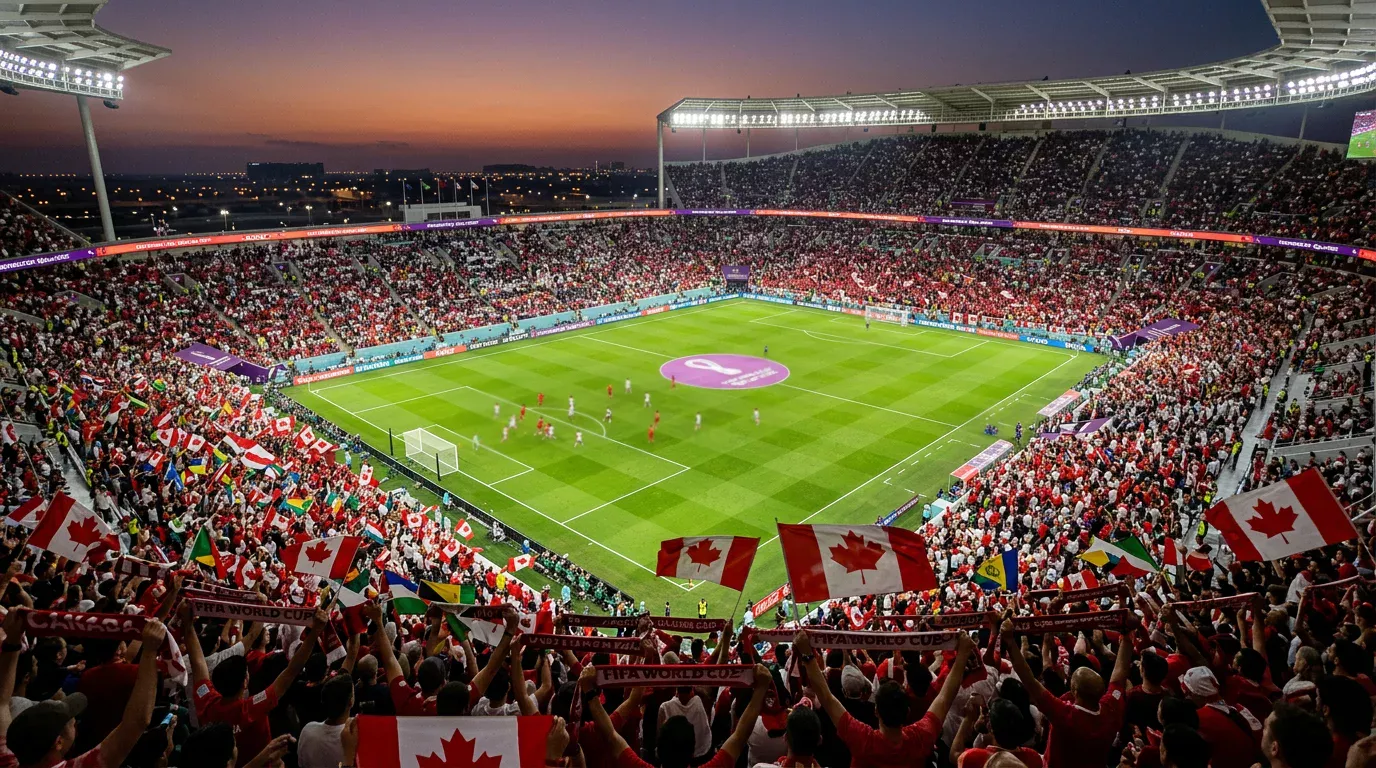
I placed my first World Cup bet in 2018 — a parlay on France to win the tournament and Kylian Mbappe to score at any point. The parlay hit. That single wager taught me more about international tournament betting than two years of following domestic leagues ever did. World Cup betting operates on different rhythms, different risk profiles, and different opportunity windows than anything else in soccer wagering.
The 2026 FIFA World Cup betting guide you are reading draws from nine years of covering these markets professionally. This tournament differs from every previous edition: 48 teams instead of 32, matches spread across three host nations, and a knockout format that advances 32 teams from the group stage rather than 16. These structural changes fundamentally alter how betting markets behave — and create inefficiencies that sharp bettors can exploit.
Canadian bettors enter this World Cup with unprecedented legal clarity. Bill C-218 legalized single-event sports betting federally in 2021, and provincial regulators have since established mature, competitive markets. Whether you are placing your first soccer wager or your thousandth, this guide walks through every element necessary for informed World Cup 2026 betting — from the legal framework governing your bets to specific strategies for each tournament phase. I have structured it so each section stands alone while building toward a complete picture of how to approach the biggest event in soccer betting history.
Tournament Format — 48 Teams, 104 Matches
A colleague asked me last week whether the expanded World Cup format was “real” or just FIFA hype. I showed him the schedule: 104 matches across 39 days, hosted by three nations spanning four time zones. The scale is unprecedented, and every betting consideration flows from understanding this structure.
The 2026 World Cup divides 48 qualified nations into 12 groups of four teams each. Each team plays three group-stage matches — one against every other team in their group. The top two finishers from each group advance automatically, meaning 24 teams progress through placement alone. FIFA then takes the eight best third-place finishers to complete the Round of 32. From that point forward, single-elimination knockout rounds proceed through the Round of 32, Round of 16, Quarterfinals, Semifinals, and the Final on July 19 at MetLife Stadium in New Jersey.
Group-stage matches run from June 11 through June 29, with most days featuring four to six concurrent fixtures. The knockout stage begins July 1, compressing eliminations into 18 days of high-stakes soccer. For bettors, this creates distinct phases with different characteristics. Group-stage betting emphasizes volume and accumulation — many opportunities to find edges, with matches often featuring clear skill disparities between traditional powers and tournament newcomers. Knockout-stage betting shifts toward single-match analysis and live wagering, where one mistake ends a team’s tournament regardless of their overall talent level.
The three-host structure affects more than logistics. Mexico hosts the opening match at Estadio Azteca on June 11. Canada stages 13 matches between Toronto’s BMO Field and Vancouver’s BC Place — including all three of the Canadian national team’s group-stage fixtures. The United States hosts the majority with 78 matches across 11 venues, including the Final. This geographic spread means travel fatigue varies dramatically between teams, and time-zone considerations influence both team preparation and betting-market liquidity. A match kicking off at 3:00 PM Eastern will see different betting volumes than a 9:00 PM Pacific start, even if the teams involved carry identical profiles.
Understanding the third-place advancement rule proves critical for group-stage betting. In previous 32-team World Cups, finishing third meant elimination. Now, eight of twelve third-place teams advance. This changes team behaviour in decisive group matches. A team already certain of finishing third may still play to maximize goal difference, knowing that metric determines which third-place teams qualify. Conversely, a team that cannot finish higher than third might prioritize rest and injury prevention if their qualification seems probable regardless of the final match result. These tactical nuances create betting opportunities invisible to casual observers but apparent to anyone tracking group standings and tiebreaker scenarios closely.
The expanded format also dilutes favourite dominance. With 48 teams instead of 32, roughly sixteen additional teams qualified that would not have reached a 32-team tournament. Many of these — Curaçao, Cape Verde, Haiti, Panama — lack the tournament experience and depth to challenge traditional powers. But they fill group-stage slots, meaning some highly ranked teams face easier paths while others encounter awkward matchups against physical, well-organized sides with nothing to lose. Betting markets must price this variance, and they often struggle to calibrate correctly for unfamiliar opponents.
Is World Cup Betting Legal in Canada?
Three years ago, I would have answered this question with a complicated explanation involving provincial lottery corporations and offshore alternatives. Today, the answer is straightforward: yes, sports betting on single events — including every World Cup match — is fully legal across Canada for adults meeting provincial age requirements.
The watershed moment came in August 2021 when Bill C-218, the Safe and Regulated Sports Betting Act, received Royal Assent. This federal legislation amended the Criminal Code to permit provinces and territories to license and regulate single-event sports betting within their jurisdictions. Prior to this change, Canadian bettors could only legally wager through parlay-style betting offered by provincial lotteries — systems requiring multiple correct selections to win, which dramatically favoured the house.
Provincial implementation followed at different paces. Ontario moved fastest, launching iGaming Ontario in April 2022 and quickly becoming the most competitive regulated sports betting market in Canada. Private operators including international platforms received provincial licenses to operate legally within Ontario, creating robust competition that benefits bettors through improved odds and promotional offerings. Alberta opened its market to private operators in January 2026, expanding options for bettors in Western Canada just months before the World Cup. Other provinces continue operating through provincial lottery corporations — BCLC in British Columbia, Loto-Québec in Quebec, and similar bodies elsewhere — which offer legal single-event betting through their own platforms.
Age requirements vary by province. Most jurisdictions set the legal betting age at 19, including Ontario, British Columbia, and Alberta. However, Quebec, Manitoba, and Alberta permit betting at 18. Digital age verification requirements exceed these minimums — most licensed platforms implement 21+ age-gating for certain promotional features as a condition of their regulatory standing.
The CGA Code for Responsible Gaming Advertising took effect on January 1, 2026, administered by Ad Standards. This code prohibits betting advertisements featuring athletes or celebrities who appeal to minors, restricts bonus promotion to operator websites rather than broadcast advertising, and bans imperative language like “Bet Now” from marketing materials. For bettors, this means the advertising environment during World Cup 2026 will differ from previous tournaments — less aggressive promotion, more emphasis on responsible gambling messaging. Every legal betting interface in Canada now displays “play responsibly” notices and provincial age requirements prominently.
Practical compliance for bettors involves straightforward steps. Use only licensed operators registered with your provincial regulator. In Ontario, this means platforms listed on the iGaming Ontario website. In other provinces, your provincial lottery corporation serves as the primary legal option, though some provinces recognize licenses from other Canadian jurisdictions. Keep records of your betting activity for tax purposes — while recreational gambling winnings are generally not taxable in Canada, the line between recreational and professional activity can blur for frequent bettors, and documentation protects you in any review. Set deposit limits through your chosen platform’s responsible gambling tools before the tournament begins, while your judgment remains unclouded by the excitement of live World Cup action.
How to Place a World Cup Bet — Step by Step
I remember walking a friend through his first online bet during the 2022 World Cup. He had watched soccer his entire life but never wagered on a match. The process that seemed obvious to me appeared bewildering to him — account creation, verification requirements, odds formats, bet slip mechanics. If you have never placed a sports bet before, or if you are transitioning from casual pools to structured betting, this section removes the mystery.
Account creation at any licensed Canadian sportsbook begins with basic personal information: legal name, date of birth, residential address, email, and phone number. Provincial regulations require identity verification, so you will need to provide government-issued identification — typically a driver’s license or passport — either through document upload or automated verification systems that cross-reference public records. This process exists to comply with anti-money-laundering regulations and age verification requirements. Expect verification to take anywhere from a few minutes to 24 hours depending on the platform and verification method.
Funding your account involves choosing from available deposit methods. Canadian operators typically support Interac e-Transfer, direct debit from bank accounts, credit cards, and sometimes e-wallets or prepaid cards. Interac e-Transfer processes almost instantly for most banks and carries no fees on many platforms. Credit card deposits work but may trigger cash-advance fees from your card issuer — check with your bank before using this method. Cryptocurrency deposits have limited availability among provincially licensed operators, though some platforms offer this option.
Before depositing, set your responsible gambling limits. Every licensed Canadian platform offers tools to restrict your daily, weekly, or monthly deposits; set loss limits; or establish cooling-off periods during which you cannot place bets. I recommend setting these limits during account creation rather than waiting until you feel the need. A $500 weekly deposit limit might feel restrictive when you are excited about the World Cup, but it forces discipline that most bettors fail to maintain voluntarily.
Navigating to World Cup markets depends on your platform’s interface, but all follow similar patterns. Look for “Soccer” or “Football” categories, then navigate to “FIFA World Cup 2026” or “International” subsections. Most platforms feature World Cup prominently during the tournament, often on their homepage. You will find markets organized by match date, with each fixture offering dozens of betting options ranging from basic match results to obscure prop bets.
Selecting a bet involves clicking or tapping the odds you wish to wager on, which adds that selection to your bet slip. The bet slip — typically displayed on the right side of desktop interfaces or as a floating button on mobile — shows your selected bets and allows you to enter your stake amount. The potential payout calculates automatically based on the odds. Review this carefully before confirming. Once confirmed, most bets cannot be cancelled, though some platforms offer early cash-out options as matches progress.
For your first World Cup bet, I suggest starting with a straightforward match result wager — called moneyline betting in North American terminology. Choose a group-stage match where you have genuine analytical conviction, stake an amount you are comfortable losing entirely, and resist the urge to chase with additional bets regardless of the outcome. Building sustainable betting habits matters more than any single wager.

World Cup Bet Types — From Moneyline to Futures
The first time I opened a World Cup betting market, I counted over 200 available wagers for a single group-stage match. That abundance can paralyze newcomers or seduce experienced bettors into overcomplicating their approach. Each bet type carries distinct risk-reward characteristics, and matching your wager style to your analytical strengths matters more than chasing variety.
Moneyline
Moneyline betting — sometimes called match result or 1X2 betting — represents the foundational World Cup wager. You pick which team wins, or whether the match ends in a draw after 90 minutes of regulation play. Moneyline odds reflect implied probability: a team priced at 2.50 decimal odds carries roughly 40% implied win probability by the market’s assessment. Group-stage moneyline betting includes draws as outcomes; knockout-stage matches technically cannot draw, so moneyline wagers settle on 90-minute results only, with extra time and penalties treated separately. If Brazil leads Germany 1-0 after 90 minutes but Germany equalizes in extra time and wins on penalties, a moneyline bet on Brazil to win still pays. Understanding this distinction prevents surprise and frustration when knockout rounds arrive.
Spread and Asian Handicap
Spread betting addresses the imbalance between mismatched opponents by assigning virtual goal advantages or disadvantages to each side. If Canada faces Curaçao with Canada favoured at -1.5 goals, Canada must win by two or more goals for a spread bet on Canada to pay. Conversely, Curaçao +1.5 wins if Curaçao loses by exactly one goal, draws, or wins outright. The point-five eliminates push possibilities — one team must cover, one must fail.
Asian handicap variants offer more granular spreads and sometimes split your stake across two lines. A -0.75 Asian handicap splits your bet between -0.5 and -1.0 lines, creating partial win and loss possibilities. This complexity adds precision but requires careful attention to how your platform handles these wagers. During World Cup group stages, Asian handicaps help find value when clear favourites face significant underdogs and moneyline prices become unattractive.
Over/Under Totals
Totals betting ignores which team wins and focuses solely on combined goal scoring. An over/under line of 2.5 goals asks whether the match will produce three or more goals (over) or two or fewer goals (under). World Cup group-stage matches historically average approximately 2.5 to 2.7 goals per match, though this varies by group composition. Matches involving defensive-minded teams or those with little tournament experience tend to go under, while contests between attack-oriented sides or those with lopsided talent mismatches often go over.
Alternative lines at 1.5, 3.5, or higher offer different risk-reward profiles. Taking over 3.5 at longer odds provides greater returns but requires a more prolific match. Team-specific totals — over/under on goals scored by one team only — allow more targeted predictions based on team-specific attacking or defensive characteristics.
Prop Bets
Proposition bets extend beyond match outcomes to specific events within matches. Player props include goalscorer markets — first, last, anytime scorer — as well as shots on target, passes completed, cards received, and minutes played. Match props cover corners, throw-ins, booking points, and other statistical categories. These markets carry higher margins than traditional bets, meaning worse odds relative to true probability, but offer opportunities for bettors with specialized knowledge about player tendencies or tactical matchups.
World Cup prop betting rewards homework. Knowing that a particular striker takes most of his team’s penalties, or that a defensive midfielder averages more fouls per match than his counterpart, creates edges invisible to casual bettors relying on name recognition alone. I recommend limiting prop betting to situations where you hold genuine informational advantages rather than gambling on random player events.
Parlays
Parlay betting combines multiple selections into a single wager that only pays if every selection wins. The allure is obvious: combining three matches at 2.00 odds each produces a parlay paying 8.00 times your stake — four times what three separate bets would return. The mathematics work against parlay bettors, however, because the probability of hitting all selections decreases multiplicatively while sportsbook margins compound with each leg.
Parlays make sense in limited circumstances. Same-game parlays combining correlated outcomes — a team winning and the match going over, for instance — can offer value when correlations are priced inefficiently. Small-stake entertainment parlays during World Cup group stages provide excitement without significant bankroll risk. Building multi-match parlays around strong convictions rather than wishful thinking keeps parlay betting sustainable. What never works is parlaying longshots hoping for life-changing payouts — mathematical certainty makes those outcomes vanishingly rare.
Futures and Outrights
Futures markets price outcomes that resolve only after the tournament concludes: outright winner, Golden Boot top scorer, and similar propositions. These bets lock up your stake for weeks, but early positioning in futures markets captures odds that shorten dramatically as tournaments progress. Betting on Argentina to win the tournament two months before kickoff might pay 5.50; if Argentina reaches the quarterfinals as expected, that same bet might price at 3.50 or lower.
The flip side of futures locking involves opportunity cost and variance. Your stake sits unavailable for other wagers throughout the tournament, and even correct assessments can fail due to injuries, red cards, or single unlucky moments. I treat futures as portfolio positions rather than confident predictions — small stakes on several plausible outcomes rather than concentrated bets on single teams.
Reading Odds — Decimal vs. American
When I first started betting, odds formats confused me more than they should have. Different platforms displayed the same probability in completely different numerical formats, and converting between them felt like unnecessary arithmetic during time-sensitive live betting. After years of practice, reading all common odds formats became automatic — and I will condense that learning curve for you here.
Decimal odds represent the total return on a winning one-unit bet, including your original stake. Odds of 2.50 mean a $10 bet returns $25 total — your $10 stake plus $15 in winnings. Calculating implied probability from decimal odds requires dividing one by the decimal: 1 / 2.50 = 0.40, or 40% implied win probability. Decimal odds dominate Canadian sportsbooks and appear as the default format on most platforms. They work cleanly for any stake amount and simplify parlay calculations since you simply multiply decimal odds together to find combined parlay odds.
American odds use positive and negative numbers relative to a baseline $100 wager. Positive American odds show how much profit a $100 bet would generate: +250 means a $100 bet returns $250 profit (plus your $100 stake, for $350 total). Negative American odds show how much you must bet to profit $100: -200 means wagering $200 to profit $100 (returning $300 total). American odds appear frequently on US-based platforms and broadcasts, and many Canadian sportsbooks offer them as an alternative display format.
Converting between formats involves straightforward formulas. To convert positive American odds to decimal, divide by 100 and add 1: +250 becomes (250/100) + 1 = 3.50 decimal. For negative American odds, divide 100 by the absolute value and add 1: -200 becomes (100/200) + 1 = 1.50 decimal. Most platforms allow switching between formats with a single click, but mental conversion helps when comparing odds across different sources during quick decision windows.
Fractional odds — common in UK betting — show profit relative to stake. Odds of 5/2 mean $5 profit for every $2 wagered. These rarely appear on Canadian platforms but surface occasionally in international betting content. Converting to decimal involves dividing the first number by the second and adding one: 5/2 = 2.5 + 1 = 3.50 decimal.
Regardless of format, understanding implied probability matters most. Every odds format encodes the sportsbook’s assessment of how likely an outcome is to occur. Your job as a bettor is identifying situations where your own probability assessment exceeds the implied probability encoded in available odds — what sharp bettors call finding positive expected value. The format merely affects how easily you can perform that comparison mentally.
Bankroll Management for Tournament Betting
Two World Cups ago, I watched a friend deposit his entire discretionary entertainment budget on day one of the tournament and lose 80% of it by the end of the group stage. He spent the knockout rounds as a spectator to matches he desperately wanted to bet but could not afford to. His analytical reads during knockouts were solid. His bankroll management during groups was catastrophic. This section exists because that scenario repeats across thousands of bettors every major tournament.
Bankroll refers to the total amount you have allocated specifically for sports betting — money you can afford to lose without affecting your financial stability or lifestyle. This is not your savings, not next month’s rent, not money earmarked for other purposes. Calculate your actual discretionary betting budget honestly before the World Cup begins. Write that number down. That number is your World Cup bankroll.
Unit sizing provides the framework for consistent betting. Most professional bettors use units representing 1% to 3% of their total bankroll. If your World Cup bankroll is $1,000, a one-unit bet is $10 to $30. This sizing allows you to withstand losing streaks — which happen to every bettor, regardless of skill — without depleting your bankroll before the tournament ends. A ten-bet losing streak at 2% unit sizing costs 20% of your bankroll. The same streak at 10% unit sizing wipes out 100%. Variance happens; proper sizing survives it.
Tournament betting requires adjusted pacing. A 39-day World Cup with 104 matches offers overwhelming opportunities, but you cannot bet every match profitably. I recommend budgeting your bankroll across tournament phases: roughly 40% for group stage, 35% for early knockout rounds, and 25% for semifinals and final. This allocation preserves ammunition for the tournament’s most important matches while allowing active participation throughout.
Never chase losses. This rule appears in every betting guide because it represents the most common path to bankroll destruction. A bad day during group stages tempts bettors to increase stakes on later matches trying to recover. This compounds losses rather than reversing them. Accept that some days produce negative results, and maintain consistent unit sizing regardless of recent outcomes. Your analytical edge — if it exists — manifests over hundreds of bets, not single sessions.
Set win limits alongside loss limits. This advice appears less frequently but proves equally important. A bettor who starts the tournament with $1,000, runs it to $2,500 by the quarterfinals, and then gives back $1,800 chasing bigger scores finishes with $700 — less than they started with despite being ahead 150% at one point. Consider withdrawing a portion of profits at predetermined thresholds. Tournament betting success includes keeping what you win.
Group-Stage Betting Strategy
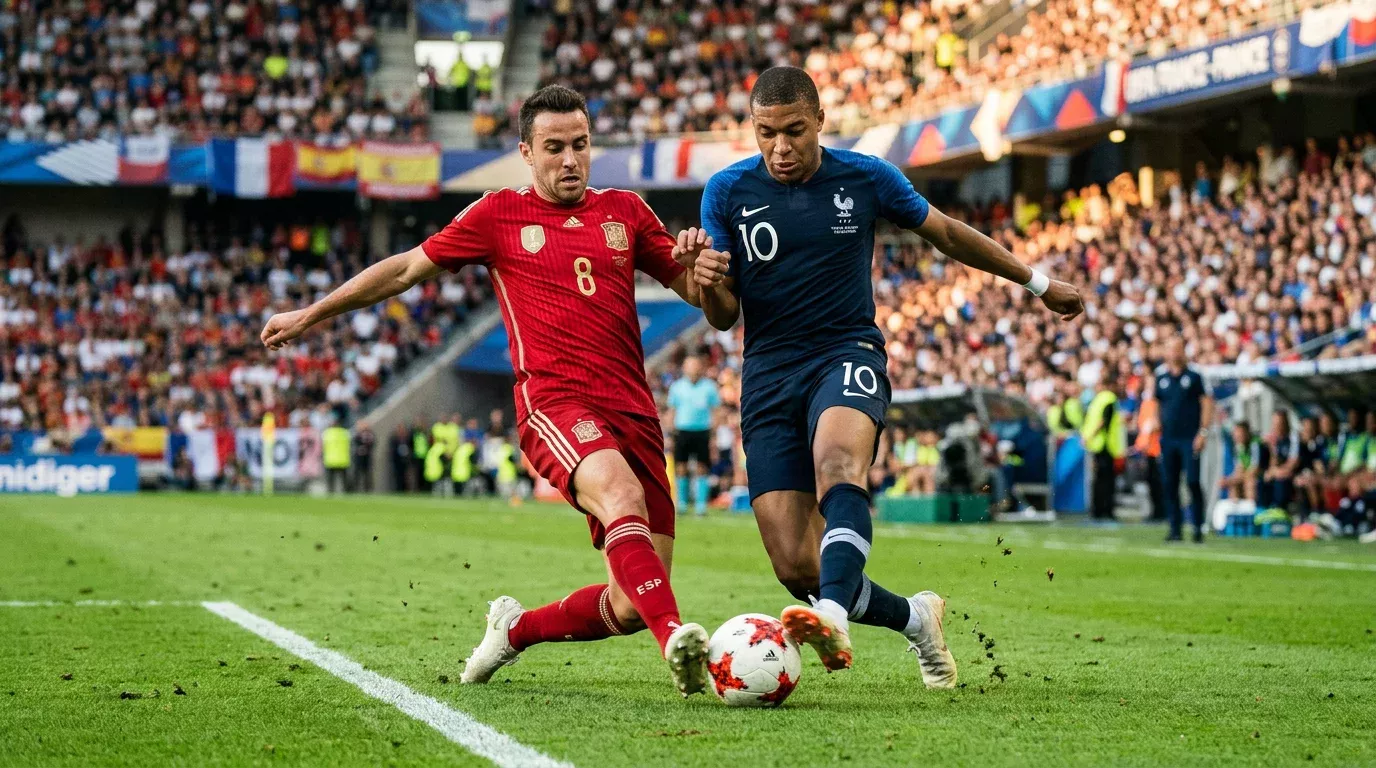
The 2022 World Cup opened with Argentina losing to Saudi Arabia at odds exceeding 20.00. Anyone who bet Saudi Arabia to win made twenty times their stake. Anyone who confidently bet Argentina — the consensus tournament favourites — started their World Cup betting in the red. Group-stage upsets define tournament betting, and adjusting your approach to account for their likelihood separates sustainable strategies from casual speculation.
Matchday one of any World Cup group stage features maximum uncertainty. Teams have not played competitive fixtures in weeks, sometimes months. Preparation quality varies dramatically based on confederation schedules, with European teams often arriving sharper than CONCACAF or AFC sides due to Nations League fixtures closer to tournament kickoff. Betting markets have minimal recent form data to price, relying heavily on historical performance and player reputation. This creates both danger and opportunity — danger because upsets occur at elevated rates, opportunity because those upsets reveal which teams are truly match-ready.
I approach matchday one conservatively. Smaller unit sizes than normal, focus on totals and Asian handicaps rather than outright results, avoidance of parlays combining multiple first-round matches. The information gathered from watching matchday one performances proves more valuable than most wagers placed on those matches themselves. How did a team’s press function? Which players looked sharp? Did tactical adjustments from preparation matches translate to competitive environments? These observations inform matchday two betting with actual tournament data rather than pre-tournament projections.
Matchday two shifts the dynamic. Teams facing must-win situations after opening losses typically play more aggressively, often creating value on overs or on underdog covers against opponents content with draws. Teams already assured of advancement sometimes rest key players or experiment tactically, depressing their performance below market expectations. Tracking team news becomes critical — lineup announcements typically arrive 60 to 90 minutes before kickoff, and early positioning before confirmations risks backing unexpected squads.
Matchday three produces the most complex group-stage scenarios. Simultaneous kickoffs within each group eliminate information advantages from watching earlier matches, but the stakes vary wildly between fixtures. A match between two eliminated teams offers nothing but pride; a match determining group winners or third-place tiebreakers becomes existential. Motivation analysis drives matchday three betting as much as talent assessment. Will a team already through rest starters? Will a team fighting for third-place goal difference push for additional scores even while trailing? These questions matter more than formation analysis by the time matchday three arrives.
Third-place advancement adds a strategic layer absent from 32-team World Cups. Eight of twelve third-place teams advance, but which eight depends on points and goal difference across all groups. This creates interconnected incentives — a team in Group B might need a certain result in Group H to secure advancement via tiebreakers. Modeling these scenarios in advance, or at least understanding which groups project competitive third-place races, helps identify matchday three edges that casual bettors miss entirely.
Knockout-Round Betting Adjustments
Everything changes when single-elimination arrives. The variance that made group-stage upsets manageable becomes existential — one mistake ends the tournament for any team, regardless of talent or prior performance. Adjusting your betting approach to match this shifted reality determines whether knockout rounds profit or punish.
Match context dominates tactical considerations during knockouts. A team leading 1-0 with 20 minutes remaining will typically retreat, protect the lead, and accept lower possession. This behaviour is rational for tournament advancement but creates scoring patterns distinct from group-stage play. Knockout matches frequently produce late goals — either equalisers from desperate sides pushing forward or counterattack finishes against overcommitted defences. Live betting on late goals or on match totals clearing low lines in the final 15 minutes can exploit this pattern if you are watching matches closely.
Extra time and penalty possibilities require explicit consideration. A match odds market paying 1.90 on either team might look like a coin flip, but neither team actually wins 50% of the time — a significant portion of knockout matches proceed to extra time, where fresh legs and fatigue influence outcomes in ways 90-minute analysis cannot capture. Some bettors specialize in “to qualify” markets that include extra time and penalties in the result. Others focus on “draw no bet” options that refund stakes if matches end level. Choose your preferred structure before knockouts begin rather than improvising under pressure.
Concentration of quality affects knockout pricing. By the quarterfinals, weaker teams have largely been eliminated, and remaining matchups pit strong sides against each other. Value becomes harder to find because markets have four rounds of tournament data to price accurately. This is when futures positions established before the tournament pay dividends — your pre-tournament Argentina outright bet at 5.50 now reflects a team one of eight remaining, while live outright markets might offer 2.50 or worse.
Avoid overreacting to momentum narratives. Media coverage magnifies knockout winners and criticizes losers, creating recency bias that distorts probability assessments. A team that scraped through Round of 32 on penalties might be fatigued and fragile — or might be resilient and battle-tested. The narrative cuts both ways, and betting markets often overreact to dramatic finishes in either direction. Trust your pre-match analysis over vibes generated by prior-round results.
Finally, semifinals and finals warrant special caution. These matches attract enormous recreational betting volume, with casual bettors flooding markets and distorting lines based on sentiment rather than probability. Finding value becomes harder as market efficiency increases with liquidity. Consider reducing unit sizes or focusing on prop markets where recreational attention concentrates less intensely.
What Makes World Cup Betting Different
I have bet on domestic leagues, continental club competitions, and international tournaments across nine years of professional analysis. Each format carries distinct characteristics, but World Cup betting differs most dramatically from weekly league betting. Understanding these differences prevents the mistake of applying club-soccer intuitions to a fundamentally different contest.
Sample size limitations define World Cup analysis. A club plays 38 to 60 matches per season; a national team plays perhaps 10 to 15 competitive fixtures annually, with World Cup matches separated by four years. Statistical models trained on domestic data produce false confidence when applied to international contexts. Expected goals, progressive passing metrics, and other modern analytics require sample sizes that national teams simply cannot provide. Betting on World Cup matches demands more qualitative judgment and less reliance on quantitative models than club soccer betting rewards.
Roster discontinuity compounds sample issues. Club teams maintain largely stable squads year to year, with transfers adjusting margins rather than foundations. National teams see generational turnover — the Germany that won in 2014 shares almost no players with the Germany competing in 2026. Manager tenures vary wildly, with some nations changing coaches multiple times between World Cups while others maintain long-term stability. Projecting national team performance requires tracking these personnel changes more closely than club analysis demands.
Motivation variance exceeds anything in club soccer. A mid-table Premier League side plays for modest improvement and professional pride; a national team at the World Cup plays for generational glory in front of their entire nation. Underdogs produce results at elevated rates because effort, physicality, and organization can overcome talent gaps in ways impossible to sustain over a 38-match season. Betting markets know this and price accordingly, but the magnitude of effort variance still creates edges for bettors who identify particularly motivated opponents.
Neutral-site matches reduce home advantages but do not eliminate geographic factors. The 2026 World Cup spreads across three nations and multiple time zones. Teams based closer to their venues — or whose diaspora populations fill stadiums with supportive crowds — gain intangible edges difficult to quantify but observable match to match. Canada playing all three group-stage matches on home soil represents a genuine advantage even if the opponent technically arrives at neutral-site odds.
Finally, public attention creates market inefficiencies absent from most club soccer. Recreational bettors flood World Cup markets with sentiment-driven wagers, creating line movements based on popularity rather than probability. Fading the public — betting against heavily backed favourites or on undervalued underdogs — generates positive expected value more reliably during World Cups than during obscure league fixtures where only sharp money moves lines. The World Cup 2026 odds markets across major sportsbooks will reflect these dynamics as the tournament approaches.
